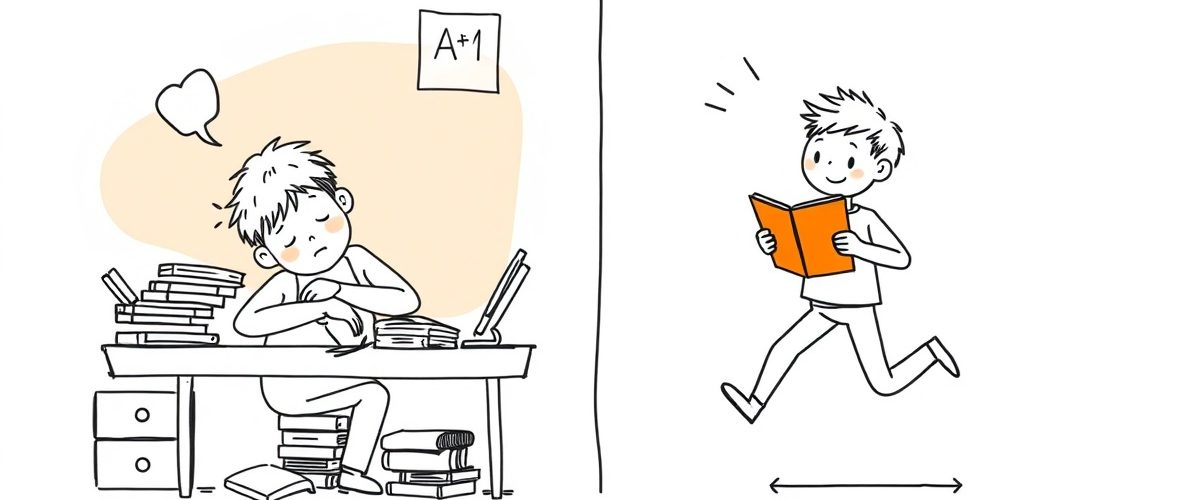

Why Studying While Tired Actually Hurts Your Performance
When you’re exhausted, your brain simply doesn’t function the way it needs to for effective studying. Learning how to study for test when you’re really tired starts with understanding why fatigue sabotages the biological processes that lock information into your long-term memory. During sleep, your brain consolidates what you’ve learned throughout the day—transferring facts from short-term to long-term storage. Skip sleep, and you skip this crucial step.
Concentration takes an immediate hit when tiredness sets in. Your prefrontal cortex—the part of your brain responsible for focus, decision-making, and complex thinking—becomes sluggish. You start re-reading the same paragraph three times without absorbing anything. An hour of tired studying might accomplish what 20 minutes of alert studying could do.
The science is clear: sleep deprivation impairs learning in measurable ways. Research shows that people who are sleep-deprived perform worse on tests, regardless of how much time they spent cramming. Your reaction time slows, your accuracy drops, and your ability to solve problems tanks. Tired students also struggle with comprehension—they understand surface-level information but miss nuance and connections between concepts.
Beyond memory and focus, exhaustion affects your emotional regulation. You become frustrated more easily, lose motivation faster, and are more likely to give up when material gets challenging. That emotional burnout makes studying feel harder than it actually is, creating a negative feedback loop that wastes even more time.
Quick Energy Boosters Before Your Study Session
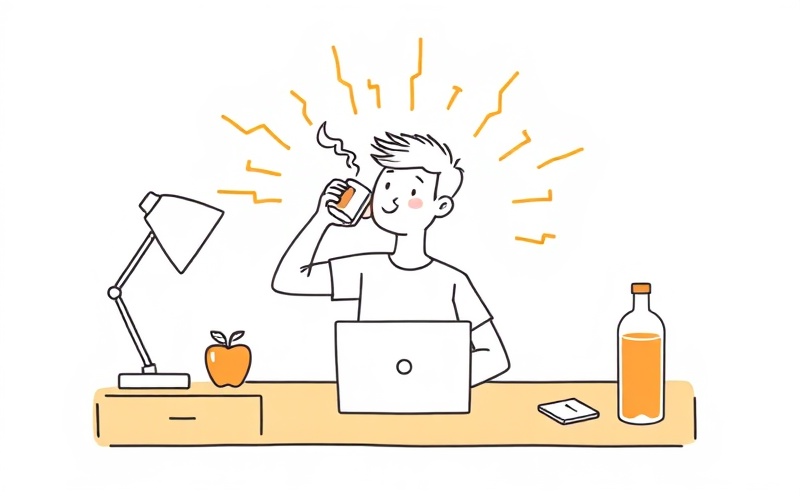
Before you crack open those textbooks or notes, take 20 minutes to reset your body and implement proven strategies for how to study for test when you’re really tired. A short power nap works wonders when you’re running on fumes. Set an alarm for 15-20 minutes—this sweet spot lets you grab restorative sleep without entering deep sleep stages that leave you groggier than before.
Caffeine deserves a strategic approach when figuring out how to study effectively despite exhaustion. If you drink coffee the moment fatigue hits, you’ll crash hard right when you need focus most. Wait 20-30 minutes after waking or after your power nap, then have your coffee. Stick to one cup—around 100-200mg of caffeine gives you the boost without jitters that sabotage concentration.
Light exposure is surprisingly powerful for battling tiredness. Spend five minutes in bright sunlight or under a light therapy lamp before studying. Natural light signals to your brain that it’s time to be alert. Your circadian rhythm responds to brightness, and this simple shift can noticeably sharpen your mental clarity.
Splash your face with cold water or take a quick cold shower. The shock activates your nervous system and increases blood flow to your brain. Pair this with some jumping jacks or a brief walk to get your blood pumping. Movement combined with cold exposure creates an immediate alertness that carries through your study session.
Active Study Techniques That Combat Tiredness
When exhaustion is fighting against your studying, passive methods like highlighting or re-reading become your worst enemies. You’ll zone out within minutes. Instead, mastering how to study for test when you’re really tired means switching to techniques that demand active participation from your brain and body—this forces you to stay engaged even when fatigue is creeping in.
Stand up and study. A standing desk or simply propping your notes against a wall keeps your body from settling into the relaxed posture that triggers drowsiness. Better yet, walk around while you study. The continuous movement maintains blood flow to your brain and prevents that heavy, sluggish feeling that hits when you’re sitting still for too long.
Talk through the material out loud. Teaching concepts to yourself—explaining them as if you’re lecturing an invisible class—activates different neural pathways than silent reading. You’ll catch gaps in your understanding immediately because you can’t fake comprehension when you’re speaking. This technique also breaks up the monotony that makes tired studying feel unbearable.
Use movement-based memory techniques like the method of loci, where you mentally place information in different rooms of a familiar building, then “walk” through those spaces. Or create hand gestures and movements tied to specific concepts—physically acting out processes or relationships between ideas. These kinesthetic methods engage your whole body in the learning process, which naturally combats the mental fog that comes with tiredness.
Optimizing Your Study Environment for Tired Minds
Your study environment either works against your exhaustion or amplifies it. When learning how to study for test when you’re really tired, even small adjustments to lighting, temperature, and noise levels can mean the difference between productive studying and fighting sleep for two hours straight. Creating the right conditions becomes crucial for maintaining focus despite fatigue.
Lighting is your first weapon against drowsiness. Dim spaces trigger your body’s natural sleep signals, so harsh, bright light becomes your ally when you’re tired. Position yourself directly under overhead lights or near a window with natural daylight streaming in. Research shows that bright light exposure genuinely increases alertness by suppressing melatonin production.
Temperature control deserves more attention than most students give it. A warm room lulls you toward sleep like a sedative. Keep your study space cool—somewhere between 65-68°F is ideal. If you can’t adjust the thermostat, open windows, aim a fan directly at yourself, or wear fewer layers. That slight chill keeps your body alert without being distracting.
Distractions become magnified when you’re exhausted. Your brain lacks the energy to resist temptation, so your phone feels impossible to ignore and background noise becomes maddening. Silence your phone entirely—not just on vibrate—and stash it in another room. Your tired brain needs every ounce of available mental resources directed toward learning, not split between studying and fighting for focus.
Strategic Study Methods When Energy Is Low
When your energy tank is nearly empty, you can’t afford to waste effort on low-impact study methods. The Pomodoro Technique becomes your secret weapon for how to study for test when you’re really tired—work in focused 25-minute blocks, then take a 5-minute break. The catch: extend your breaks when you’re exhausted. Instead of scrolling your phone during that five minutes, actually rest.
Stop trying to study everything equally when fatigue is your biggest opponent. Attack the highest-yield material first—the concepts that show up repeatedly on the test or carry the most weight. If you only have two solid hours of focused studying before your brain completely shuts down, spend those hours on what matters most. Tackle the difficult material while you still have mental fuel, then move to easier review if energy permits.
Spaced repetition is perfectly designed for studying while tired because it works with your natural limitations instead of against them. Review the same material multiple times over several days rather than cramming everything into one marathon session. When you’re exhausted, short review sessions of 10-15 minutes feel manageable compared to hours of intense learning. This approach also prevents that overwhelming sensation where you feel like there’s too much to learn and too little time.
When to Stop Studying and Get Rest Instead
There’s a breaking point where continuing to study becomes actively harmful. If you’re reading the same paragraph four times and retaining nothing, or if you’re staring at your notes while your mind narrates grocery lists, studying has stopped working. Recognize these warning signs: you can’t remember what you just read, you’re making careless mistakes on practice problems you’d normally solve easily, or you’re fighting to keep your eyes open every thirty seconds.
The real damage happens when you sacrifice sleep to study. Knowing how to study for test when you’re really tired includes recognizing when rest is more valuable than more study time. A tired brain learns poorly, forgets quickly, and performs worse on tests than a rested brain would have, even if that rested brain studied less material. Pulling an all-nighter before an exam is statistically one of the worst decisions you can make.
Aim for at least six hours the night before your test, though seven to eight is ideal. This isn’t the time to catch up on lost sleep from the week—that won’t happen in one night. Keep your bedroom cool and dark, avoid screens for an hour before bed, and skip caffeine after noon the day of the test. Your goal is genuine rest, not just time spent lying down while your brain races.
If you’re reading this the night before an exam and you’re completely exhausted, here’s your emergency plan: get whatever sleep you can get right now. Wake up early—at least three hours before your test—and do a focused 90-minute study session when your brain is freshest. This approach gives your brain time to consolidate what you review in the morning while still providing focused preparation. You’ll walk into that test more prepared and more alert than if you’d stayed up all night cramming.
Frequently Asked Questions
Is it better to study tired or sleep and wake up early?
It's generally better to get adequate sleep and wake up early to study, as your brain consolidates information during sleep and performs better when well-rested.
How long should I nap before studying when tired?
Keep naps between 10-20 minutes to avoid entering deep sleep cycles that can leave you groggier. Anything longer than 30 minutes may interfere with nighttime sleep.
Can coffee really help me study when exhausted?
Moderate caffeine (100-200mg) can temporarily improve focus and alertness, but it's not a substitute for proper rest and may cause crashes later.
What are the signs I should stop studying and sleep?
Stop studying if you're repeatedly reading the same line, can't retain information after multiple attempts, or find yourself nodding off every few minutes.