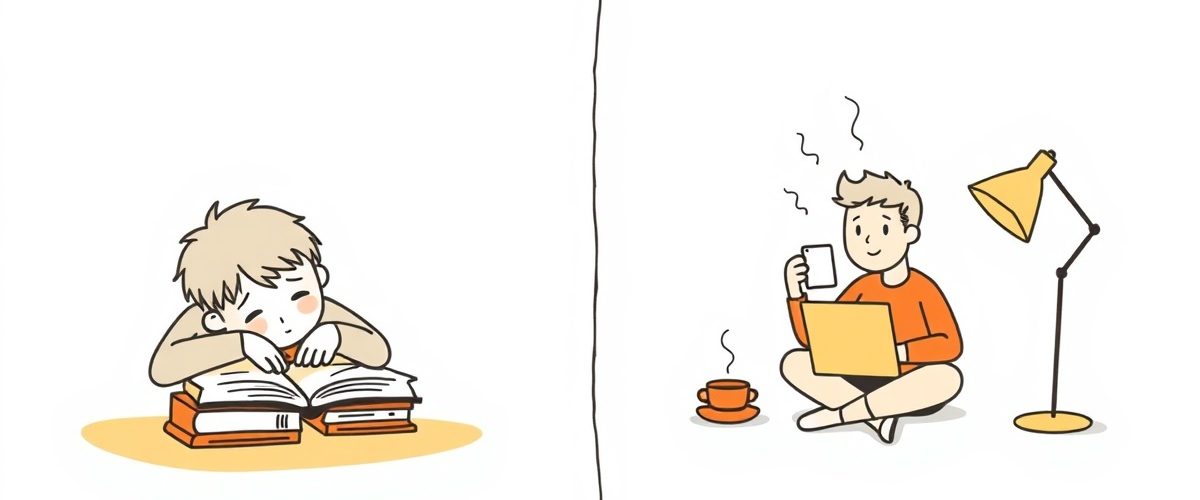

Understanding Why We Get Sleepy During Night Study Sessions
Your body has an internal clock that runs on roughly a 24-hour cycle. This is your circadian rhythm, and it’s programmed to make you drowsy when the sun goes down. Evolution wired us this way—our ancestors needed sleep when darkness fell. Even though you’re sitting at a desk with artificial lights, your biology hasn’t caught up to modern schedules.
The real culprit behind those heavy eyelids is melatonin. Your brain releases this hormone as evening approaches, signaling that it’s time to wind down. By 9 or 10 p.m., melatonin levels spike significantly. If you’re trying to focus on calculus or history notes during this window, you’re fighting against powerful biochemistry.
Light plays a crucial role here too. Natural sunlight suppresses melatonin production and keeps you alert. When night falls and your study space relies only on indoor lighting, your brain receives fewer signals to stay awake. This drop in perceived brightness tells your body that sleep is coming, whether you want it to or not. Understanding these biological forces explains why learning how to not feel sleepy when studying at night requires working with your natural rhythms rather than against them.
Optimize Your Study Environment for Maximum Alertness
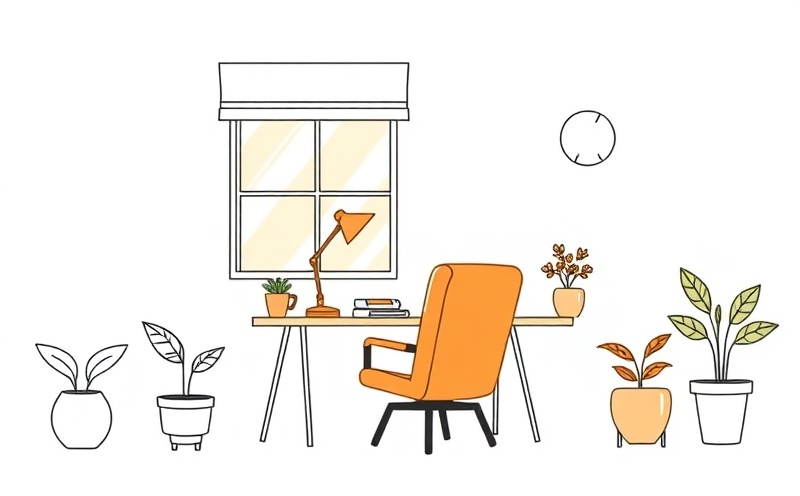
Your study environment shapes whether you’ll stay awake or drift off. The most powerful tool at your disposal is light. Bright, white light—particularly cool-spectrum lighting around 5000K color temperature—directly suppresses melatonin production. This is why standard warm bedroom lamps won’t cut it.
Install or position LED desk lamps that deliver crisp, bright illumination directly onto your study materials. The closer this mimics daylight, the stronger the signal you send to your brain that it’s time to stay alert. When you master how to not feel sleepy when studying at night, proper lighting becomes your first line of defense against drowsiness.
Temperature matters just as much as lighting. Your body naturally cools down as bedtime approaches, which triggers sleepiness. Combat this by keeping your study room between 65-68°F. A slightly cool environment maintains your alertness and prevents that cozy, comfortable feeling that leads to nodding off.
Ventilation deserves its own attention because CO2 buildup in poorly ventilated spaces literally makes you sleepy. As carbon dioxide accumulates in a closed room, oxygen levels drop, and your brain receives less oxygen-rich blood. Opening windows or running an air purifier ensures constant fresh air circulation, which keeps your cognitive function sharp and prevents that foggy, heavy sensation from creeping in.
Strategic Caffeine Consumption for Night Study Success
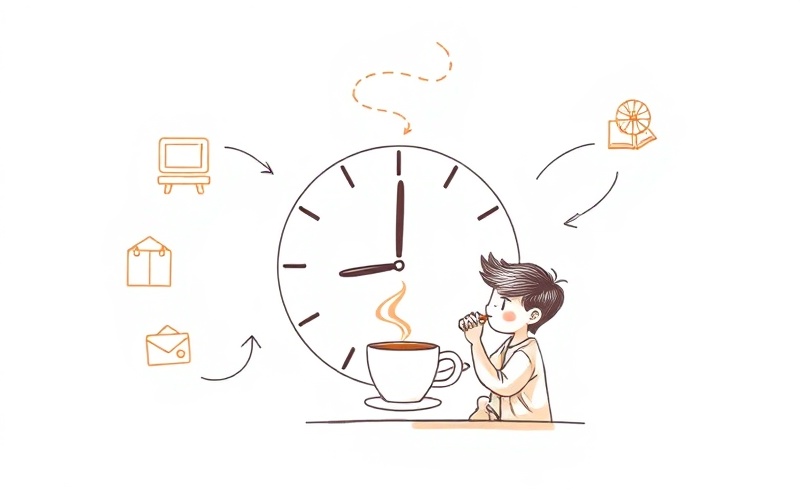
Caffeine is your most reliable ally when battling nighttime drowsiness, but timing matters everything. Your body takes about 30 minutes to absorb caffeine into your bloodstream, with peak effectiveness hitting around 45 minutes to an hour after consumption. If you need maximum alertness at 11 p.m., drink your coffee by 10:15 p.m.—not right before bed.
The key is planning ahead rather than reaching for caffeine when you’re already struggling to keep your eyes open. This strategic approach forms a cornerstone of understanding how to not feel sleepy when studying at night. Smart caffeine timing prevents both under-stimulation and overstimulation.
Dosage determines whether caffeine helps or harms your focus. Most study sessions benefit from 100-200 mg of caffeine—roughly one cup of coffee or two cups of tea. Exceeding 400 mg daily causes jitters, anxiety, and the dreaded crash that leaves you more exhausted than before.
Coffee isn’t your only option. Green tea delivers 25-50 mg of caffeine per cup alongside L-theanine, an amino acid that promotes calm focus without the sharp spike and drop of straight coffee. Yerba mate offers 65-130 mg per serving with a smoother energy curve. These alternatives prevent the harsh crash while keeping drowsiness at bay throughout your study session.
Power Napping Techniques to Boost Late-Night Focus
A 20-minute power nap before evening study can seem counterintuitive, but it’s one of the most effective ways to reset your alertness for the hours ahead. During this brief window, your brain cycles through light sleep stages without reaching deep sleep, where grogginess takes over. You wake feeling refreshed and mentally sharp—perfect timing to tackle dense material that requires concentration.
Timing your nap is critical for mastering how to not feel sleepy when studying at night. The sweet spot falls between 2 and 4 p.m., at least five to six hours before your main study session. This gap lets your energy naturally dip and recover without interfering with nighttime alertness.
Set a timer before closing your eyes—setting it for 20 to 25 minutes ensures you wake during lighter sleep stages rather than deeper phases that cause sleep inertia. Find a dark, cool space away from noise and distractions. Avoid napping on your bed, since your brain associates it with extended sleep.
When your alarm sounds, expose yourself immediately to bright light and move around for a few minutes before returning to your desk. This transition helps solidify the alertness boost and prepares you for productive late-night studying.
Active Study Methods That Combat Drowsiness
Standing while you study forces your body to engage stabilizer muscles constantly, which prevents the physical shutdown that leads to sleep. Unlike sitting, where gravity pulls blood away from your brain and toward your legs, standing maintains better circulation and keeps your nervous system activated. Switch between sitting and standing every 30 minutes, or better yet, study while walking around your room.
Active reading transforms passive material absorption into a dynamic process that demands your full attention. Instead of letting your eyes slide across words, stop every paragraph to summarize what you just read aloud. Write notes in your own words rather than copying directly. This constant mental engagement prevents your mind from drifting into autopilot mode—the gateway to drowsiness.
Flashcards and interactive study methods work because they introduce novelty and require immediate response. Your brain stays alert when forced to retrieve information rather than passively review it. Quiz yourself ruthlessly, shuffle your cards to prevent pattern recognition, and set time limits for answers. These techniques are essential when learning how to not feel sleepy when studying at night, as they keep your mind actively engaged rather than passively absorbing information.
Foods and Snacks That Maintain Energy Without Crashes
Protein-rich snacks form the foundation of sustained energy during late-night study sessions. When you eat protein, your body digests it slowly, releasing amino acids gradually into your bloodstream. This steady supply keeps your blood sugar stable and prevents the energy crashes that follow sugary foods. Grab a handful of almonds, a string cheese, Greek yogurt, or peanut butter on whole-grain crackers 30 to 60 minutes before studying.
Complex carbohydrates work alongside protein to maintain consistent alertness. Whole grain bread, oatmeal, brown rice, and sweet potatoes break down slowly, providing steady glucose to your brain without overwhelming spikes. Simple sugars—candy, white bread, soda—create the opposite effect. Your blood sugar shoots up rapidly, giving you a brief energy burst, then crashes hard within an hour.
Hydration deserves equal attention to food choices. Dehydration mimics fatigue signals, making your body feel exhausted even when you’ve slept well. Drink water consistently throughout your study session, but avoid heavy meals that divert blood flow to digestion. A light snack every 90 minutes works better than one large meal that leaves you sluggish and uncomfortable.
The Science of Study Breaks and Movement
The Pomodoro Technique works because it aligns with how your brain naturally cycles through focus and fatigue. Study intensely for 25 minutes, then take a five-minute break. After four cycles, take a longer 15 to 30-minute break. This rhythm prevents the mental exhaustion that creeps in during endless study marathons.
Your brain doesn’t maintain peak focus forever—it needs reset periods. By scheduling breaks strategically, you’re working with your biology instead of fighting it. This structure also creates psychological momentum, making how to not feel sleepy when studying at night much more manageable than attempting marathon sessions without breaks.
Movement during breaks is where the real magic happens. A quick walk around your house, some jumping jacks, or gentle stretching gets blood flowing to muscles that have been stationary. This physical activity signals to your nervous system that you’re awake and engaged. Even 60 seconds of movement between Pomodoro cycles significantly boosts alertness.
Fresh air breaks deserve special attention. Step outside for two to three minutes during longer study sessions. Natural light suppresses melatonin production more effectively than indoor lighting, keeping you alert. Cool outdoor air jolts your senses awake in ways that recirculated indoor air cannot match.
Mental Strategies to Stay Alert and Motivated
Your mind needs concrete targets to stay engaged during late-night study sessions. Instead of vague goals like “study biology,” set specific objectives: “complete chapter 5 practice problems” or “memorize the 12 cranial nerves.” When you know exactly what you’re working toward, your brain stays locked on that target rather than drifting toward sleep.
Break your study time into milestone-based segments, and reward yourself after hitting each one. This creates a psychological contract with yourself—complete this task, earn this reward. The anticipation keeps mental energy high throughout the night and makes mastering how to not feel sleepy when studying at night feel like a series of achievable challenges rather than one overwhelming task.
Accountability partners transform solo studying into a social commitment that naturally boosts alertness. Text a friend your study goals, jump on a video call with a study group, or schedule regular check-ins where you report progress. Study groups work especially well because other people’s energy becomes contagious.
Visualization creates mental activation by forcing your brain to construct detailed mental images. Before studying, close your eyes and picture yourself successfully completing tonight’s work. See yourself alert and focused during the session, then imagine the satisfaction of finishing. This mental rehearsal keeps your brain engaged with the end goal rather than focused on fatigue.
When to Stop: Recognizing Limits and Planning Better
Your body sends clear signals when studying past your limit becomes counterproductive. If you’re reading the same paragraph three times without absorbing anything, rereading text while forgetting it immediately, or staring at notes without comprehension, stop. These aren’t signs of laziness—they’re your brain hitting its cognitive ceiling.
Continuing past this point wastes time and locks low-quality information into memory. You’re also training yourself to associate studying with frustration rather than progress, which damages motivation for future sessions. Recognizing these limits is crucial when learning how to not feel sleepy when studying at night—sometimes the best strategy is knowing when to call it quits.
Physical signals matter just as much. When your eyes burn from screen strain, your head pounds from tension, or you’re fighting to keep your eyelids open despite multiple alerts, your body is done. A four-hour focused session beats an eight-hour marathon where half the time involves fighting sleep with pure willpower.
Build study schedules that prevent all-nighters before they become necessary. Work backward from exam dates and break material into manageable daily chunks. A month of 90-minute sessions beats one sleepless night of cramming. This approach reduces panic and the desperate midnight study marathons that leave you exhausted during exams.
Frequently Asked Questions
Is it better to sleep and wake up early or stay up late studying?
Generally, waking up early is more effective as your brain is naturally more alert in the morning. However, if you must study at night, use the strategies above to maintain alertness.
How much caffeine is safe for late-night studying?
Limit caffeine to 200-400mg per day (2-4 cups of coffee). Stop consuming caffeine at least 6 hours before your intended sleep time to avoid sleep disruption.
Can blue light glasses help when studying at night?
Blue light glasses may help reduce eye strain, but for staying alert while studying, you actually want blue light exposure to suppress melatonin production.
What's the best room temperature for night studying?
Keep your study space between 65-68°F (18-20°C). Cooler temperatures help maintain alertness and prevent drowsiness.