

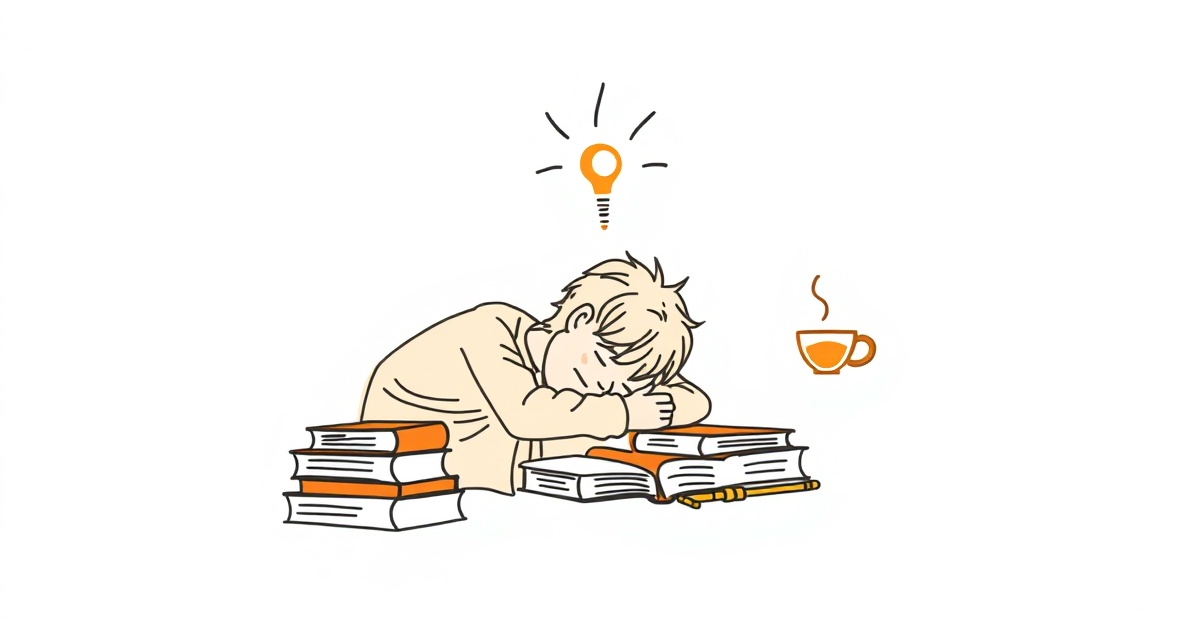
Why You Feel Too Tired to Study: Understanding Energy Depletion
Feeling exhausted when it’s time to hit the books is more common than you’d think. Your body sends tiredness signals for specific reasons, and understanding them is the first step toward learning how to get energy to study when tired.
Study fatigue often stems from physical exhaustion. You might have skipped meals, spent hours sitting without movement, or haven’t hydrated properly. Your brain uses about 20% of your body’s energy, so when you’re running on empty, concentration becomes nearly impossible.
Mental exhaustion is a different beast entirely. You can feel physically rested but mentally wiped out from decision-making, problem-solving, or emotional stress. This type of tiredness sneaks up gradually as your cognitive resources deplete throughout the day. By evening, your brain simply doesn’t have the bandwidth for new information.
Sleep deprivation amplifies both types of fatigue and creates a vicious cycle. Poor sleep quality or insufficient hours demolishes your ability to focus. When you’re sleep-deprived, your prefrontal cortex—the part responsible for concentration and memory—operates at reduced capacity.
Environmental factors add another layer to study exhaustion. A dark room, stuffy air, or uncomfortable temperature all contribute to drowsiness. Sometimes you’re not just tired—your surroundings are actively putting your body into sleep mode.
Quick Energy Boosts: Immediate Solutions When You’re Exhausted
When exhaustion hits hard and you need to study right now, immediate solutions can pull you back into focus mode. These quick fixes work fast because they target your body’s natural wake-up responses and help you discover how to get energy to study when tired effectively.
A power nap between 10 to 20 minutes works wonders when scheduled correctly. Set a timer before closing your eyes—this prevents grogginess from longer sleep cycles. Your brain will enter light sleep stages just long enough to restore mental clarity without the disorientation of deeper sleep.
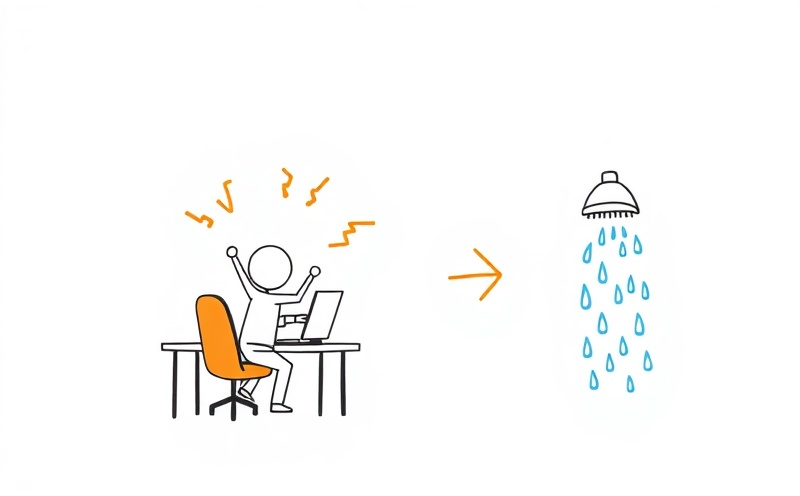
The cold water face splash is brutally effective for instant alertness. Splash your face with cold water or hold an ice cube against your cheeks and neck. This triggers your body’s dive response, instantly elevating heart rate and blood pressure. The sensation jolts your nervous system awake in seconds, making it perfect for emergency focus sessions.
Light movement breaks the exhaustion cycle quickly and naturally. Stand up and do 5-10 minutes of gentle stretching—touch your toes, rotate your shoulders, reach your arms overhead. Movement increases blood flow to your brain and releases endorphins that combat fatigue. Your muscles wake up, your circulation improves, and mental fog lifts noticeably within minutes.
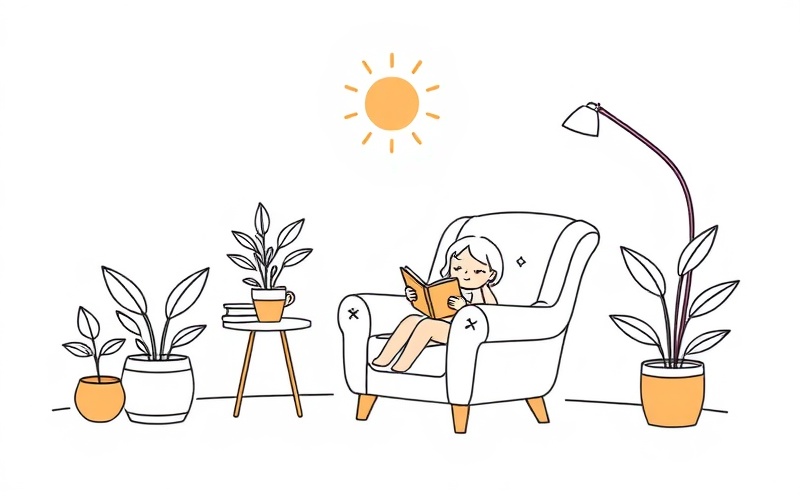
Optimize Your Study Environment for Better Energy Levels
Your study environment either fights tiredness or surrenders to it. The space around you sends constant signals to your brain—some that say “stay awake and focused,” others that whisper “time for sleep.” Getting this right means you’re working with your biology instead of against it.
Lighting makes an enormous difference in combating drowsiness naturally. Bright, blue-toned light keeps you alert because it suppresses melatonin production—the hormone that makes you sleepy. Position your desk near a window during daytime study sessions, or use a desk lamp with daylight-spectrum bulbs (5000K or higher).
Temperature control directly impacts alertness levels and can help you learn how to get energy to study when tired. A cool room between 65-68°F keeps your body engaged and prevents the drowsy warmth that comes with overheated spaces. When a room feels warm and stuffy, your body interprets it as bedtime.
A cluttered desk demands your brain’s attention constantly, draining mental energy before you even start studying. Remove items unrelated to your current task—phone, random papers, snacks, decorations. A clean, minimal workspace reduces cognitive load and helps your mind settle into focus mode faster.
Natural Energy Foods and Drinks That Actually Work
Your body runs on fuel, and what you eat directly determines your study stamina. Certain foods stabilize blood sugar and keep your brain firing on all cylinders, while others create energy crashes that leave you worse off than before. Understanding nutrition is key to mastering how to get energy to study when tired.
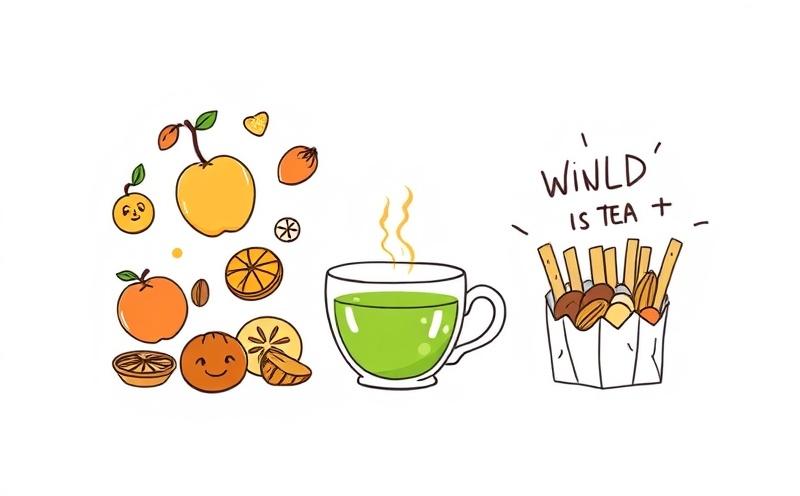
Nuts and seeds pack serious brain power for sustained mental energy. Almonds, walnuts, and pumpkin seeds deliver protein, healthy fats, and magnesium—nutrients that sustain energy without the spike-and-crash cycle of sugary snacks. A small handful (about 1 ounce) takes just minutes to eat and provides steady fuel for 2-3 hours.
Complex carbohydrates are your allies when you need lasting energy throughout study sessions. Whole grain toast, brown rice, oatmeal, or sweet potatoes digest slowly, releasing glucose steadily into your bloodstream. Pair them with protein—peanut butter on whole wheat, eggs with toast, or chickpeas with vegetables—and you’ve created a meal that keeps you alert for hours.
Hydration matters far more than most students realize for maintaining study energy. Dehydration tanks your energy levels and mental clarity faster than almost anything else. Aim for water throughout your study session rather than trying to catch up with massive amounts at once.
Coffee and energy drinks are tempting but dangerous for sustainable study energy. Yes, they provide quick alertness, but the caffeine crash arrives hard and leaves you more exhausted than before. If you do use caffeine, limit it to one cup of green or black tea in the morning.
Skip the sugar-loaded options entirely when seeking natural energy sources. Candy, soda, pastries, and energy bars trigger rapid blood sugar spikes followed by crashes that obliterate your focus. Replace these with whole foods that nourish instead of sabotage your study goals.
Strategic Study Techniques for When You’re Mentally Drained
When mental exhaustion sets in, how you approach studying matters more than how long you study. Strategic techniques work with your tired brain instead of forcing it through sheer willpower—a battle you’ll lose every time. These methods are essential for anyone learning how to get energy to study when tired.
The Pomodoro Technique becomes your secret weapon when fatigue creeps in during study sessions. Work in focused 25-minute sprints followed by 5-minute breaks. This structure prevents your tired mind from wandering and gives you built-in recovery time. The key is treating those 25 minutes like a contract with yourself—no distractions, no multitasking, just pure focus on one task.
Active learning methods keep your brain actively participating instead of passively absorbing information. Don’t just read notes—rewrite them in your own words. Ask yourself questions about the material and answer them aloud. When you physically engage with information, your brain releases more neurotransmitters that combat drowsiness.
Breaking complex topics into smaller, manageable pieces prevents the overwhelm that triggers mental shutdown. Instead of tackling an entire chapter, focus on one concept at a time. This approach gives your tired brain wins to celebrate—small accomplishments that build momentum and natural energy.
The Role of Physical Activity in Boosting Study Energy
Physical movement is one of the fastest ways to shake off study fatigue without relying on caffeine or sugar crashes. Even five minutes of activity sends oxygen rushing to your brain and triggers the release of endorphins—natural chemicals that combat drowsiness and sharpen focus. Understanding this connection is crucial for mastering how to get energy to study when tired.
Walking stands out as remarkably effective for cognitive function and natural energy enhancement. A 10-minute walk before or during your study session increases blood flow to the brain, improving memory recall and mental clarity. Your mind processes information differently when your body is in motion—creative connections form more easily, and that fog of exhaustion lifts noticeably.
Desk exercises keep circulation moving without leaving your study space, making them perfect energy boosters. Standing shoulder rolls, neck stretches, and seated torso twists take 30 seconds but reset your physical state. The key is moving regularly rather than staying sedentary for hours. Your tired body signals your brain to shut down, but movement reverses that signal completely.
Sleep Optimization: Long-term Solutions for Better Study Energy
Sleep deprivation doesn’t just make you tired—it sabotages everything else you’re trying to accomplish. When you’re exhausted before you even open your textbooks, no amount of coffee or movement fixes the root problem. Quality sleep is fundamental to understanding how to get energy to study when tired consistently.
Your sleep schedule needs to align with your study demands, not work against them. If you have early morning classes or morning study sessions, going to bed earlier matters more than sleeping in on weekends. Aim for the same bedtime and wake time every day, even weekends—your body’s internal clock thrives on consistency.
Pre-sleep routines signal your body that rest is coming, which helps you sleep deeper and wake more refreshed with natural energy. Start winding down 30-60 minutes before bed. Reading physical books, journaling about your day, or light stretching all prepare your body for sleep without stimulating your brain.
Screen time before bed is perhaps the biggest sleep saboteur for students seeking better study energy. Phones, tablets, and computers emit blue light that directly suppresses melatonin production, the hormone responsible for sleep. Stop using screens at least one hour before bed for dramatically improved rest quality.
Stress Management Techniques to Prevent Energy Drain
Stress drains energy faster than almost anything else and directly impacts your ability to maintain focus. When anxiety tightens around studying, your body pumps out cortisol—a stress hormone that exhausts your nervous system and makes focus nearly impossible. Learning stress management is essential for anyone discovering how to get energy to study when tired.
Breathing exercises deliver calm in minutes without requiring special equipment or location changes. The 4-7-8 technique works remarkably well: inhale for four counts, hold for seven, exhale for eight. This pattern activates your parasympathetic nervous system—your body’s natural brake pedal. Do this for just two minutes before opening your textbooks.
Time management removes a massive source of study fatigue: the panic of never having enough time. When you know exactly what you need to study and have a realistic plan to cover it, anxiety vanishes and natural energy returns. Start by listing everything that needs studying, then break deadlines into daily targets.
Mindfulness practice keeps your tired brain anchored in the present moment instead of spiraling into stress. Spend five minutes before studying simply observing your thoughts without judgment. This practice trains your attention span and reduces the mental chatter that drains energy unnecessarily.
When to Take Breaks vs. Push Through Fatigue
Knowing when you genuinely need a break versus when you’re just avoiding work makes the difference between productive study sessions and wasted hours. This wisdom is central to mastering how to get energy to study when tired effectively. True fatigue shows specific physical signs: your eyes struggle to focus on text, you read entire paragraphs without absorbing anything, or your head feels heavy and disconnected.
Breaks only work when you actually disconnect from studying and engage in energy-restoring activities. Scrolling your phone or watching videos while “taking a break” doesn’t reset your mental fatigue because your brain stays in consumption mode. Instead, use breaks for activities that genuinely restore energy: stepping outside for fresh air, drinking water and eating a small snack.
Sustainable momentum comes from matching break frequency to your energy patterns throughout the day. Some students thrive with 25-minute focused blocks followed by 5-minute breaks—the Pomodoro method. Others work better with 50-minute study periods and 15-minute breaks. Taking breaks before complete exhaustion hits prevents the complete mental shutdown that derails entire study nights.
Frequently Asked Questions
How can I get energy to study when I'm extremely tired?
Start with a 10-20 minute power nap, drink water, do light stretching, and ensure your study space has bright lighting. If still tired, take a longer break and reassess your sleep schedule.
What foods give you energy to study?
Complex carbohydrates like oatmeal, protein-rich nuts, fruits like bananas and berries, and dark chocolate can provide sustained energy without crashes. Stay hydrated with water.
Is it better to study tired or not study at all?
Light review or passive learning like reading can be done when tired, but avoid learning new complex concepts. It's better to rest and study effectively later than to study poorly when exhausted.
How do you fight off sleepiness while studying?
Keep your study area cool and bright, take regular breaks, stay hydrated, do brief physical movements, and use active learning techniques like summarizing aloud or teaching concepts to yourself.
Can coffee help me study when tired?
Moderate caffeine can help temporarily, but avoid late in the day as it disrupts sleep. Pair with food to prevent crashes, and don't rely on it as your primary energy source for studying.