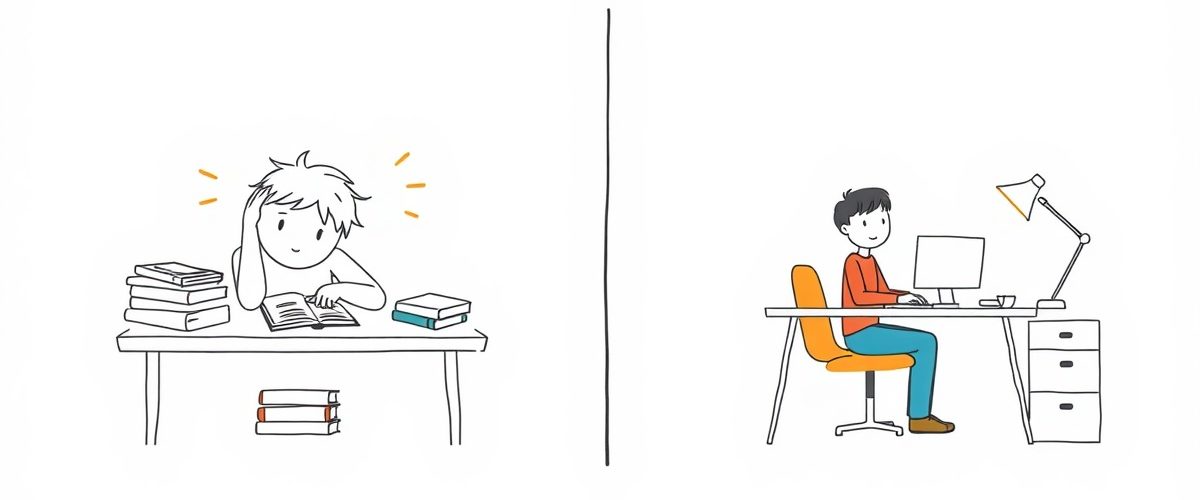

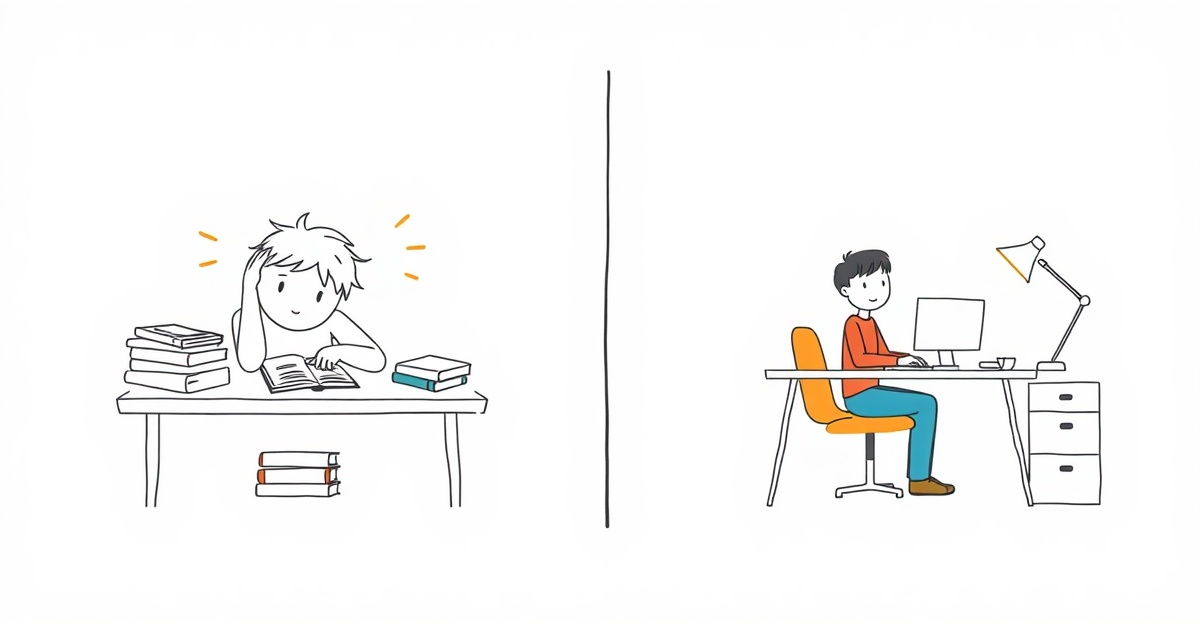
Why Do You Feel Sleepy While Studying?
Feeling drowsy during study sessions isn’t laziness—it’s your body sending signals that something needs attention. Understanding what to do if feeling sleepy while studying starts with identifying the root causes.
Your circadian rhythm plays a major role in determining when sleepiness strikes. Your body operates on a natural 24-hour cycle that regulates when you feel alert and when you feel tired. Most people experience energy dips in the early afternoon, typically between 1 and 3 PM. If you’re hitting the books during these windows, you’re fighting against your biology.
Sleep quality matters just as much as sleep quantity. You might be clocking eight hours, but if you’re waking up multiple times or not reaching deep sleep stages, you’ll feel foggy and exhausted the next day. Your brain hasn’t properly recharged, so it struggles to focus when demands get heavy.
The actual work of studying drains your mental energy fast. Your brain uses glucose and oxygen intensely during learning, especially when tackling complex material. This cognitive load can tire you out quickly, triggering drowsiness as your brain essentially asks for a break.
Don’t overlook your study environment either. Dim lighting, stale air, and a warm room all contribute to sleepiness. Your surroundings send powerful signals to your nervous system—poor conditions basically tell your body it’s time to rest.
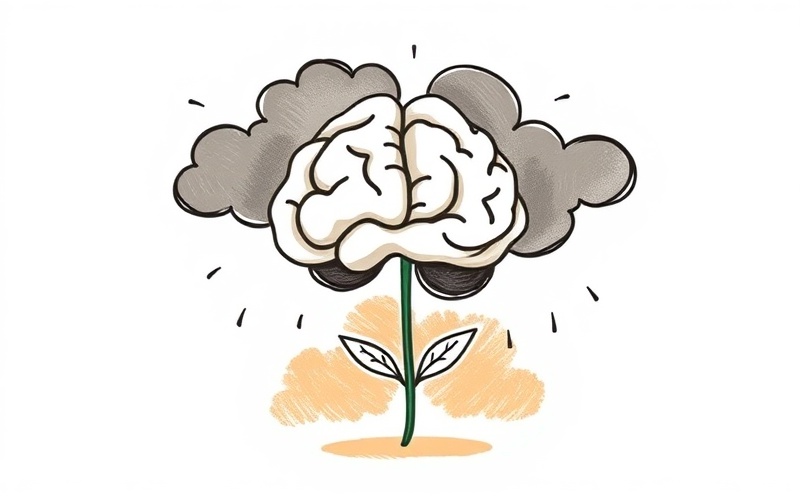
Optimize Your Study Environment to Stay Alert
Your study space has more power over your alertness than you might realize. When your environment works against you, staying awake becomes nearly impossible—no matter how important the material is.
Start with lighting. Bright, blue-tinted light keeps you naturally awake because it signals to your brain that it’s daytime. Dim lighting triggers melatonin production, which is exactly what you don’t want during study sessions. Position your desk near a window if possible, or invest in a quality LED lamp that mimics daylight.
Temperature control matters more than most students realize. A warm room is a sleepiness factory. Aim for 65-68°F (18-20°C) when studying—slightly cool temperatures keep your nervous system engaged. Open a window or use a fan to keep air circulating.
Your chair and desk setup directly affect alertness too. Slouching in a comfortable couch might feel good temporarily, but it signals relaxation to your body. Use an upright chair that supports good posture—your feet should rest flat on the floor, and your desk should be at elbow height.
Finally, eliminate background elements that drain your mental battery. Close unnecessary browser tabs, silence your phone, and clear clutter from your workspace. A clean, organized space reduces cognitive load and helps you stay sharp throughout your study session.
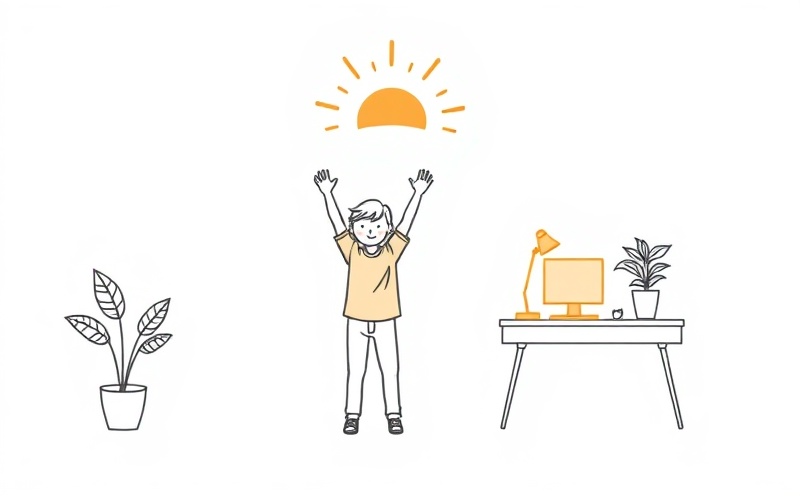
Strategic Break Techniques to Combat Study Fatigue
When considering what to do if feeling sleepy while studying, the Pomodoro Technique stands out as one of the most effective solutions. Study intensely for 25 minutes, then take a 5-minute break. After four cycles, take a longer 15-30 minute break. This structure fights drowsiness by creating natural stopping points before exhaustion sets in.
Not all breaks are created equal. Scrolling your phone or staring at another screen during your break won’t restore mental energy. Instead, do something physical—walk around your room, do jumping jacks, or step outside for fresh air. Movement increases blood flow and oxygen to your brain, which instantly boosts alertness.
Power naps deserve serious consideration when drowsiness becomes unbearable. A 10-20 minute nap can reset your entire system, but timing matters. Nap too long and you’ll wake up groggy. Set an alarm, find a dark spot, and allow yourself this brief rest.
Stretching between study blocks fights physical stiffness that contributes to drowsiness. Neck rolls, shoulder shrugs, and standing forward bends get your body moving without requiring you to leave your study area. These movements interrupt the sedentary pattern that makes your body want to shut down.
Quick Energy-Boosting Foods and Drinks
What you eat and drink directly impacts how alert you stay during study sessions. Your brain demands consistent fuel to maintain focus, and the wrong choices can send you into a crash that makes staying awake nearly impossible.
Water is your first defense against fatigue. Dehydration causes mental fog and exhaustion faster than you’d expect. Keep a water bottle at your desk and sip consistently throughout your study session. When you’re properly hydrated, your cognitive function stays sharp and your energy levels remain stable.
Snack smart with protein and healthy fats. Nuts, Greek yogurt, cheese, and hard-boiled eggs provide sustained energy without the crash. These foods stabilize blood sugar, preventing the energy dips that trigger drowsiness.
Caffeine can be an ally if timed correctly. A cup of coffee or tea consumed 30 minutes before you study hits your system right when you need it most. However, limit yourself to one or two cups early in your study day to avoid interfering with nighttime sleep quality.
Study Techniques That Keep You Engaged
Passive reading is a straight ticket to sleepiness. When you’re just letting words enter your eyes without processing them, your brain operates on autopilot—the perfect conditions for drowsiness to take over. Active reading changes everything by forcing your brain to stay engaged because you’re constantly translating information rather than absorbing it passively.
Note-taking is one of the most underrated weapons against study fatigue. The physical act of writing keeps your hands and mind busy simultaneously. Don’t transcribe everything word-for-word—instead, capture ideas in shorthand, create diagrams, and draw connections between concepts.
Self-testing jerks you awake because there’s actual pressure involved. Cover your notes and quiz yourself on the material. Use flashcards, take practice tests, or explain concepts out loud as if teaching someone else. Your brain knows it’s being tested, which naturally sharpens your focus and keeps fatigue at bay.
Rotating between subjects prevents the monotony that breeds drowsiness. Studying calculus for three straight hours numbs your brain, but alternating between calculus, history, and biology keeps things fresh. This variety prevents the mental fatigue that makes staying awake feel like climbing a mountain.
Physical Activities to Boost Study Energy
Light exercises between study sessions work wonders for combating drowsiness. You don’t need an intense workout—just three to five minutes of movement can shift your energy levels dramatically. Stand up, march in place for a minute, then do 10-15 jumping jacks or high knees.
Breathing techniques offer an immediate mental reset without leaving your desk. Try the 4-7-8 method: breathe in for four counts, hold for seven, exhale for eight. This activates your parasympathetic nervous system while still keeping you alert. Taking deep, intentional breaths increases oxygen flow to your brain and clears the mental fog.
How you sit directly influences how awake you feel. Slouching signals your body to relax, inviting sleep. Sit upright with your shoulders back and your chin parallel to the ground—this posture naturally increases alertness because your body interprets the position as ready and engaged.
Quick workout routines between study blocks don’t require equipment or much space. Try wall push-ups, lunges down your hallway, or a 60-second plank. These mini-workouts elevate your heart rate just enough to trigger an adrenaline response, giving you an energy surge that lasts through your next study block.
Sleep Hygiene for Better Study Performance
Getting quality sleep isn’t just about feeling rested—it directly determines how alert you’ll be when you sit down to study. Your brain consolidates what you learned during sleep, so skipping rest doesn’t just make you tired the next day; it actually erases some of your study gains. Establish a consistent sleep schedule by going to bed and waking up at the same time every day.
Your pre-sleep routine sets the stage for deep, restorative rest. Start winding down 30-60 minutes before bed with calm activities like reading a physical book, journaling, or gentle stretching. Avoid anything mentally demanding during this window. A warm shower or bath signals to your body that it’s time to relax.
Your sleep environment matters tremendously. Keep your bedroom cool (around 65-68°F), dark, and quiet. Heavy blackout curtains eliminate street lights, while a white noise machine masks disruptive sounds. Remove your phone and laptop from the bedroom entirely—these devices are sleep saboteurs.
Screen time management is non-negotiable for quality sleep. Stop using phones, tablets, and computers at least one hour before bed. The mental stimulation from digital devices keeps your brain in high-alert mode, making it difficult to transition into sleep. When you prioritize sleep this way, you’ll notice significant improvements in daytime alertness.
Time Management to Prevent Study Burnout
Your energy levels aren’t constant throughout the day. Most people hit their peak alertness in the morning or early afternoon, then experience a significant dip in the late afternoon. Schedule your most demanding subjects during these high-energy windows to prevent the sleepiness that comes with fighting your natural rhythms.
The Pomodoro Technique—25 minutes of focused study followed by 5-minute breaks—prevents the mental exhaustion that triggers sleepiness. But don’t waste your breaks scrolling social media. Stand up, stretch, grab water, or step outside for fresh air. After completing four 25-minute sessions, take a longer 15-30 minute break.
Ambitious study goals backfire. Telling yourself you’ll master three chapters in one evening sets you up for failure and frustration. Instead, break your workload into smaller, achievable daily targets. Completing realistic goals gives you genuine satisfaction, which motivates you to stay awake and engaged.
Productivity apps like Forest, Toggl, or Notion help you track where your time actually goes. Many students think they’ve studied for hours when they’ve really spent half the time distracted. These tools create accountability and help you restructure your schedule to work with your natural rhythms.
When to Seek Professional Help for Persistent Sleepiness
Persistent sleepiness that doesn’t improve with better sleep habits or study techniques might signal an underlying health issue. If you’re constantly wondering what to do if feeling sleepy while studying despite trying multiple strategies, it’s time to consider medical evaluation. Pay attention to whether this drowsiness affects other parts of your day—struggling through classes, work, or casual activities.
Sleep disorders like sleep apnea, narcolepsy, and restless leg syndrome cause chronic drowsiness that no amount of coffee or exercise can fix. Sleep apnea briefly stops your breathing during sleep, preventing deep rest even if you’re in bed for eight hours. If you’ve noticed snoring, gasping for air at night, or jerky leg movements, talk to a doctor.
Medical conditions beyond sleep disorders also trigger excessive daytime sleepiness. Thyroid problems, anemia, depression, and vitamin deficiencies all leave you exhausted despite adequate rest. If your sleepiness started suddenly or worsened recently, schedule an appointment with your primary care doctor.
Your doctor can order blood tests to check vitamin levels, thyroid function, and iron stores. They might refer you to a sleep specialist who conducts overnight sleep studies to diagnose sleep disorders. Getting a proper diagnosis transforms everything—once treated, your study sessions become manageable again without fighting constant drowsiness.
Frequently Asked Questions
How can I stop feeling sleepy while studying immediately?
Try splashing cold water on your face, doing 10 jumping jacks, drinking a glass of water, or switching to a brighter, cooler environment. These quick fixes provide immediate alertness.
Is it better to take a nap or continue studying when sleepy?
If you're extremely sleepy, a 10-20 minute power nap is more effective than forcing yourself to study. Longer naps can cause grogginess, so keep them short.
What foods help me stay awake while studying?
Eat protein-rich snacks like nuts, Greek yogurt, or hard-boiled eggs. Avoid heavy meals and sugary snacks that cause energy crashes. Stay hydrated with water throughout your study session.
Why do I get sleepy even after getting enough sleep?
Mental fatigue from intense concentration, poor study environment, dehydration, or underlying health issues can cause drowsiness despite adequate sleep. Consider factors beyond sleep duration.