
Understanding Mental Exhaustion and Its Impact on Learning
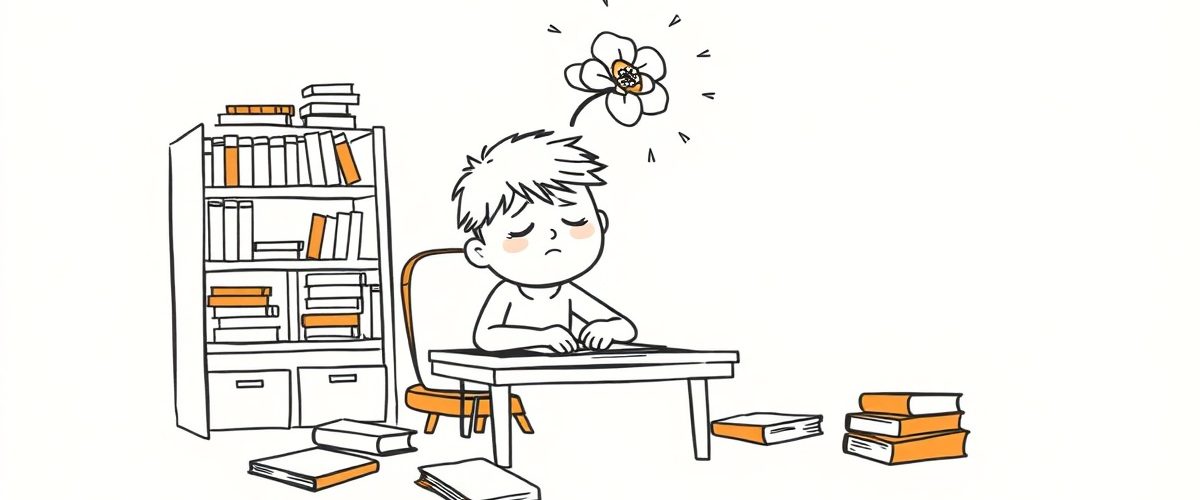
Mental exhaustion is a state of emotional and cognitive fatigue that goes beyond just feeling tired. It happens when your mind has been working at high intensity for extended periods without adequate recovery time. You might experience this after intense studying, stressful work situations, or dealing with multiple demanding tasks simultaneously.
The symptoms are quite distinct when you’re trying to figure out how to study when you are mentally exhausted. You feel mentally drained, struggle to concentrate, find yourself reading the same paragraph repeatedly, and lack motivation even for things you normally enjoy. Some people describe it as their brain feeling “fuzzy” or unable to process information clearly.
When your mind is exhausted, your cognitive abilities take a hit. Your memory becomes less efficient, making it harder to retain new information or recall what you’ve already learned. Your attention span shrinks, and you become easily distracted. Problem-solving becomes difficult, and decision-making feels overwhelming.
Physical tiredness and mental exhaustion are different beasts, though they often appear together. Physical fatigue comes from your body needing rest—your muscles are tired, you feel heavy. Mental exhaustion stems from your brain being overworked. You might feel physically fine but mentally unable to tackle studying.

Recognize the Warning Signs of Mental Fatigue
Catching mental exhaustion early makes a huge difference in how you manage your study sessions. The warning signs often creep up gradually, so paying attention to what your body and mind are telling you matters. Learning to study effectively when mentally drained starts with recognizing these signals.
Early indicators include trouble focusing on your study material, even when you’re in a quiet environment. You might find yourself reading sentences without actually absorbing their meaning, or staring at your notes while your mind wanders completely elsewhere. Some people notice they become unusually forgetful—forgetting why they opened a document or what they were about to look up.
Emotionally, mental fatigue shows up as irritability over small things, increased anxiety about your workload, or a growing sense of dread when opening your textbooks. You might feel unmotivated despite having important exams or assignments due soon. That spark that normally drives you to study just isn’t there anymore.
Physical signals matter too. Headaches that linger throughout your study sessions, tension in your neck and shoulders, or difficulty sleeping even though you’re tired are common. You might feel restless or, conversely, sluggish and heavy. Knowing when to push through versus when to rest is personal, but here’s a useful rule: if you’re making mistakes, retaining almost nothing, or feeling genuinely distressed, it’s time for a break.

Create an Optimal Study Environment for Tired Minds
Your environment either works for you or against you when your mind is already running on fumes. A study space packed with distractions will drain whatever mental energy you have left, forcing your exhausted brain to work harder just to stay focused. The solution isn’t complicated—strip away anything that pulls your attention away from your material.
Start by identifying what actually distracts you in your current setup. Is your phone constantly buzzing? Put it in another room, not just on silent. Are there open tabs on your computer tempting you to check social media? Close them before you sit down. Visual clutter matters too—stack papers neatly, clear your desk of unrelated items, and create a workspace that signals to your brain: this is where focused work happens.
Lighting and temperature directly impact how clearly your mind can function when you’re learning how to study when you are mentally exhausted. Poor lighting forces your eyes to strain, which triggers fatigue and makes concentration feel impossible. Natural light is ideal if you can access it, but a warm desk lamp works well too. Avoid harsh overhead fluorescents that can feel draining.
Sound requires attention as well. Complete silence might feel uncomfortable for some people, but consistent background noise—conversation, traffic, notifications—fragments your thinking. If silence feels too stark, try instrumental music or brown noise. Experiment to find what doesn’t pull your mind away from studying.
Use Active Learning Techniques When Energy is Low
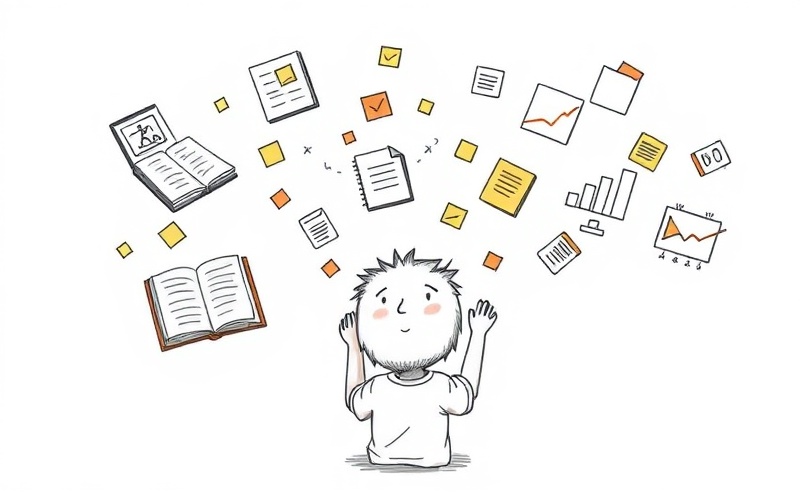
When your mental tank is nearly empty, passive reading becomes nearly useless. You’ll stare at pages without absorbing anything, wasting precious time and frustrating yourself further. Active learning techniques work differently—they force your brain to engage with material in ways that stick, even when you’re running on fumes.
The Pomodoro Technique is particularly effective for exhausted studying. Work in 25-minute focused bursts followed by 5-minute breaks. This rhythm prevents your already-tired mind from hitting a wall. After four cycles, take a longer 15-30 minute break. The structure removes the burden of deciding how long to study—your brain doesn’t have to make that call when it’s already depleted.
Active recall transforms how your brain processes information when you’re figuring out how to study when you are mentally exhausted. Instead of rereading notes, close the material and write down everything you remember. Cover your textbook page and try to answer practice questions without looking. This approach demands less sustained mental effort than passive review because your brain works in short bursts rather than maintaining constant focus.
Visual tools like mind maps and diagrams bypass the cognitive heaviness of dense text. Drawing connections between concepts forces active thinking without requiring the same linear concentration that reading demands. Your brain processes visual information differently, often with less fatigue. Sketch out how topics relate, use colors to highlight patterns, and create a visual story of your material.
Strategic Break-Taking and Energy Management
Breaking up your study time isn’t laziness—it’s strategy. When your mental reserves are already low, working straight through doesn’t produce better results. Instead, it depletes what little energy remains. Micro-breaks inserted throughout your session prevent that downward spiral where your focus crumbles completely.
The timing matters significantly when you’re learning how to study when you are mentally exhausted. After 25-30 minutes of focused studying, step away for 5-10 minutes. This isn’t long enough to lose momentum, but it’s enough to let your brain reset. During these breaks, avoid activities that demand more mental effort. Scrolling social media, checking emails, or jumping into work tasks defeats the purpose because your brain stays in high-alert mode.
Instead, choose restorative activities that genuinely calm your system. Step outside for fresh air and sunlight—even five minutes significantly shifts your mental state. Stretch your neck, shoulders, and back where tension builds during study sessions. Drink water and eat a light snack if you need fuel. Do some gentle breathing exercises.
Physical movement deserves special attention. Your body and mind are connected, and sitting motionless for hours amplifies exhaustion. A 10-minute walk between study blocks works wonders. You don’t need intense exercise—a casual stroll gives your mind space to wander while your body moves. This combination actually refreshes you more than sitting completely still.
Nutrition and Hydration for Mental Performance
Your brain consumes about 20% of your body’s energy, even when you’re sitting still. When you’re mentally exhausted, feeding it properly becomes non-negotiable. The right foods stabilize your blood sugar and supply the fuel your mind needs to function, while poor choices send you crashing harder than before you ate.
Protein is your most reliable ally when studying on empty reserves. Eggs, nuts, Greek yogurt, and lean meats release energy steadily rather than spiking and dropping. Pair protein with complex carbohydrates—whole grain bread, oats, brown rice—for sustained mental clarity. Avoid the candy-and-energy-drink trap that makes learning how to study when you are mentally exhausted even more challenging.
Healthy fats matter more than most people realize. Avocados, olive oil, fatty fish, and seeds contain omega-3s that directly support brain function. These aren’t luxury additions—they’re foundational for cognitive performance when you’re already running low. A handful of almonds or a piece of salmon isn’t indulgent; it’s maintenance.
Hydration impacts focus more dramatically than most students expect. Even mild dehydration clouds your thinking and amplifies fatigue. Your exhausted brain becomes even foggier without adequate water. Keep a water bottle at your desk and sip consistently throughout your study session. Timing matters as much as content—eat something substantial before serious studying, not after you’ve already crashed.
Modify Your Study Methods for Mental Fatigue
When your brain is already running on empty, studying exactly like you do when you’re fresh sets you up to fail. Your mental toolkit needs adjustments that account for reduced cognitive capacity. The good news is that these modifications often produce better results than your normal approach, even when you’re well-rested.
Start by breaking complex materials into smaller, more digestible pieces. Instead of tackling an entire chapter, focus on one section at a time. Rather than trying to understand how all economic systems relate to each other, study capitalism alone. Master that concept completely before moving forward. This chunking approach prevents your exhausted brain from drowning in information overload.
Accept that active learning sometimes demands too much when you’re mentally depleted. Yes, active recall and practice problems are powerful—but forcing yourself through them when you’re barely functional backfires. On those days when even 25 minutes feels like climbing a mountain, switch to guided learning. Watch a lecture video where someone else does the mental heavy lifting.
Ruthlessly prioritize what actually matters for your goals when you’re mastering how to study when you are mentally exhausted. When you’re exhausted, you cannot study everything. Identify the 20% of material that produces 80% of your results. Focus there first. Ask yourself what will actually appear on tests, what your professor emphasized repeatedly, what forms the foundation for upcoming lessons.
Long-term Strategies to Prevent Mental Exhaustion
Mental exhaustion rarely appears overnight. It builds gradually from weeks of pushing too hard without adequate recovery. The real solution isn’t finding better study hacks during crisis moments—it’s preventing those crises in the first place by building sustainable rhythms into your life.
A sustainable study schedule spreads your workload across days and weeks rather than cramming everything into intense bursts. This means starting assignments early enough that you can complete them in manageable chunks rather than all-nighters. Block out specific study times each day and treat them like appointments you cannot skip. Consistency trains your brain to enter focus mode more easily because studying becomes a normal part of your routine.
The schedule should also include study-free time—genuinely free time where academics don’t occupy your mental space. Evenings, weekends, or entire days dedicated to non-academic activities aren’t distractions from your real work. They’re essential maintenance. Your brain needs recovery periods just like your muscles do after exercise.
Stress management practices keep the daily wear and tear from piling up into complete exhaustion. Regular exercise reduces stress hormones and improves sleep quality, which directly impacts your ability to handle mental demands. Meditation, journaling, or simple breathing exercises give your nervous system opportunities to calm down. These aren’t optional self-care luxuries—they’re fundamental tools for maintaining mental resilience.
Building work-life balance means genuinely separating your identity from your academic performance. Your grades don’t define your worth. Your productivity doesn’t determine your value as a person. When you attach your self-esteem to constant achievement, every setback feels catastrophic and every challenge feels personal. This mindset drives the perfectionism that burns people out.
Small habits compound into major protection against burnout. Going to bed at a reasonable hour, eating regular meals, moving your body daily, maintaining friendships, pursuing activities you genuinely enjoy—these things seem disconnected from studying, but they’re the foundation everything else sits on. When these basics slip, everything becomes harder. When you protect them fiercely, studying fits into a life that feels manageable rather than consuming.
Frequently Asked Questions
How do I know if I'm too mentally exhausted to study effectively?
Signs include inability to focus for more than a few minutes, difficulty retaining information, frequent mental blanks, irritability, and physical symptoms like headaches. If you experience these, take a break.
Can I still learn effectively when mentally exhausted?
Yes, but you need to adjust your approach. Use simpler study methods, take frequent breaks, focus on review rather than new material, and consider passive learning techniques like listening to recorded lectures.
What's the best way to take breaks when studying while exhausted?
Take 5-10 minute breaks every 15-20 minutes. Use this time for deep breathing, light stretching, hydrating, or stepping outside. Avoid screens and stimulating activities that further drain mental energy.
Should I skip studying when I'm mentally exhausted?
Not necessarily. Light review and passive learning can still be beneficial. However, avoid learning new, complex material when severely exhausted as it may lead to poor retention and increased frustration.
How long does mental exhaustion typically last?
Mental exhaustion duration varies based on its cause and severity. With proper rest, nutrition, and stress management, mild mental fatigue can improve within hours to a day. Chronic exhaustion may require longer recovery periods.