
Understanding Why We Feel Tired When Studying
When you sit down to tackle a difficult textbook or work through problem sets, your brain is actually burning through energy at an impressive rate. It’s not just a matter of willpower or motivation—there’s real biology happening underneath. Understanding what’s draining your mental battery helps you address the root cause instead of just pushing through the exhaustion, especially when learning how to study effectively even when tired.
Mental fatigue and physical fatigue operate differently, though they often happen together. Physical tiredness comes from your muscles working hard, which you might feel after exercise or a long day on your feet. Mental fatigue, on the other hand, stems from sustained concentration and decision-making. When you’re studying, your prefrontal cortex—the part of your brain responsible for focus and critical thinking—is working overtime.
Your brain consumes about 20% of your body’s total energy despite being only 2% of your body weight. During learning, especially when facing new or complex material, that consumption jumps even higher. Each time you concentrate, remember information, or solve a problem, your neurons are firing signals that require fuel. The harder the material or the longer your study session, the faster you burn through that energy.
Common study-related exhaustion comes from several sources. Poor sleep quality, skipping meals, and studying in dimly lit spaces all contribute. Stress about exams or performance adds another layer, as does studying topics you find boring or difficult. If you’re also dealing with background distractions or trying to absorb information through passive reading rather than active engagement, your brain works even harder while making slower progress.
The Science Behind Studying When Fatigued
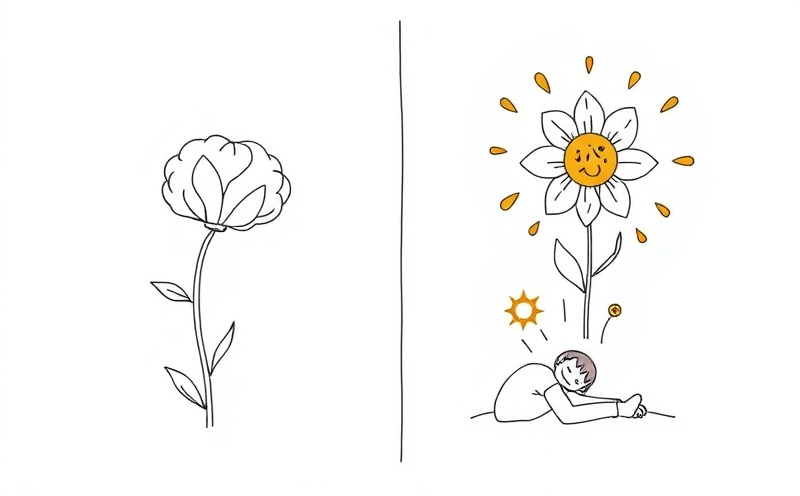
Tiredness hits your brain’s ability to lock in new information right at the source. Memory consolidation—the process where your brain transfers information from short-term storage into long-term memory—requires active neural engagement. When you’re fatigued, this process slows dramatically. Your brain struggles to form the strong neural connections needed to retain what you’re studying, meaning you’ll likely forget material faster even if you manage to absorb it initially.
Concentration takes an immediate nosedive when fatigue sets in. Your prefrontal cortex, already working hard during study sessions, becomes even less efficient when tired. This means you need more effort to focus on the same material, and even then, your attention wanders more frequently. Studies show that a fatigued brain can lose focus every few minutes, breaking the continuity needed for complex problem-solving or understanding intricate concepts.
Research consistently demonstrates that learning capacity drops significantly when you’re tired. One landmark study found that students who studied while sleep-deprived retained roughly 40% less information compared to well-rested peers tackling identical material. The impact extends beyond just retention—your ability to think critically, make connections between ideas, and apply knowledge to new situations all suffer. Your brain essentially enters a reduced-capacity mode, functioning at maybe 60-70% of its normal efficiency depending on how exhausted you are.
Quick Energy Boosting Techniques Before Study Sessions
Before diving into how to study effectively even when tired, try these quick energy boosters. A strategic 20-minute power nap can work wonders before diving into studying. Your goal isn’t deep sleep—it’s to catch enough rest to reset your mental alertness without entering the deep sleep stages that leave you groggy.
Light movement activates your nervous system and gets blood flowing to your brain. A five-minute walk around your house, some jumping jacks, or even standing and stretching your arms overhead signals to your body that it’s time to wake up. Dynamic stretching—where you move through a range of motion rather than holding static positions—proves more effective for energy than passive stretching. Try arm circles, leg swings, or torso twists.
Dehydration masquerades as fatigue more often than most people realize. Drink a glass of water before your study session starts. If you’re significantly dehydrated, your cognitive performance tanks alongside your energy levels. Pair hydration with a quick snack—something with both carbs and protein works best. A banana with peanut butter, Greek yogurt with granola, or even a handful of almonds with an apple replenishes blood sugar without causing the crash that comes from sugary foods alone.
Optimizing Your Study Environment for Tired Days
Your physical surroundings exert surprising influence over how alert you feel while studying. When exhaustion is already working against you, a poorly designed environment pushes you further into drowsiness. The right adjustments combat that pull and keep your mind engaged with the material instead of drifting toward sleep.
Lighting deserves your first attention when figuring out how to study effectively even when tired. Dim spaces signal to your body that it’s time to wind down—exactly what you’re trying to avoid. Bright, cool-toned light keeps your circadian rhythm alert and mimics natural daylight conditions that promote wakefulness. Position your desk near a window if possible, or invest in a desk lamp with daylight-spectrum bulbs (around 5000K color temperature).
Temperature plays an underrated role in maintaining focus. Warm rooms encourage sleepiness—your body interprets warmth as a signal to rest. Keep your study space cool, ideally between 65-68°F (18-20°C). If adjusting the thermostat isn’t an option, open a window for fresh air circulation or position a fan nearby.
Your chair and desk setup matter more when you’re tired. Slouching in a comfortable armchair might feel appealing, but it accelerates fatigue. Sit upright with proper back support—your spine should maintain its natural curve. Your feet should rest flat on the ground or a footrest, keeping your legs at a 90-degree angle.
Modified Study Techniques That Work When Exhausted
When exhaustion clouds your thinking, standard study methods fall flat. Your brain needs different tools to lock in information when running on fumes. Active reading transforms passive scanning into engagement that fights off drowsiness. Instead of highlighting passages, try the SQ3R method: survey the material first, formulate questions about what you’re reading, read actively while seeking answers, recite key points aloud, and review what stuck.
The Pomodoro Technique becomes your best friend during exhaustion. Study intensely for 25 minutes, then take a 5-minute break. After four cycles, take a longer 15-30 minute break. This structure prevents the mental collapse that happens when you try to power through a two-hour study session while fatigued. Your tired brain performs better with clear endpoints in sight.
Visual learning methods bypass some of the processing demands that drain your already-taxed mental resources. Create concept maps, flow charts, or mind maps that show relationships between ideas. Color-coding different topics engages your visual cortex in ways that plain text doesn’t. Pair visuals with auditory learning by explaining concepts aloud or listening to recorded lectures at slightly increased speed (1.25x works well).
Time Management Strategies for Low-Energy Study Days
When tiredness clouds your thinking, how you allocate your study time becomes critical. Rather than attempting to cover everything equally, identify which topics will have the biggest impact on your understanding or performance. Review your upcoming exams, assignments, or learning goals and rank them by importance. Focus your limited mental energy on high-stakes material first—the concepts that show up repeatedly, appear on major assessments, or form the foundation for everything else you’re learning.
The Pomodoro Technique adapts beautifully for exhaustion-fueled study sessions when learning how to study effectively even when tired. The standard 25-minute work intervals paired with five-minute breaks provides enough structure to prevent your tired brain from wandering, while the breaks prevent the crushing fatigue that comes from pushing through longer stretches. When you’re particularly drained, shorten the work intervals to 15 or 20 minutes instead.
Your energy naturally peaks at certain times throughout the day. Some people hit their stride in early morning; others find their groove mid-afternoon or evening. Identify your personal energy pattern over a few days of observation. Schedule your most cognitively demanding study tasks during these natural peaks, even if it means shifting your typical routine.
Nutrition and Hydration Hacks for Sustained Focus
Your brain consumes roughly 20% of your body’s energy despite being only 2% of your body weight. When you’re already tired, feeding it the right fuel becomes non-negotiable. Glucose provides immediate energy, but the source matters enormously. Simple carbs like candy or white bread spike blood sugar temporarily, then crash hard—leaving you more exhausted than before.
Specific foods pack extra brain-boosting power when fatigue is working against you. Blueberries contain anthocyanins that improve cognitive function and blood flow to the brain. Fatty fish like salmon provides omega-3s that support neural health and alertness. Dark chocolate contains phenylethylamine and small amounts of caffeine that enhance focus without the crash of energy drinks.
Hydration deserves attention equal to nutrition. Dehydration clouds cognition and amplifies fatigue—even mild dehydration reduces mental performance by 10-15%. Drink water consistently throughout your study session rather than gulping large amounts at once. Keep a water bottle at your desk and sip regularly.
Foods to avoid during tired study sessions include those that trigger energy crashes or digestive strain. Heavy, fatty meals divert blood toward digestion, away from your brain. Large amounts of sugar-laden snacks spike then plummet insulin levels, intensifying drowsiness. High-sodium processed foods dehydrate you further.
Mental Strategies to Push Through Study Fatigue
When your body screams for sleep, your mind becomes your most powerful tool for learning how to study effectively even when tired. Motivation techniques specifically designed for exhausted students work differently than standard productivity advice. Start by connecting your current study session to something you genuinely care about—not distant abstract goals, but immediate payoffs.
Breaking your study session into micro-goals creates frequent wins that fuel motivation when energy dips. Instead of “study chapter 5,” aim for “understand the first three concepts” or “complete five practice problems.” Each small victory triggers a dopamine release that counteracts the mental heaviness of fatigue. Track these wins visibly—check them off a list, mark them on a calendar, or jot them down.
Mindfulness and breathing exercises calm the nervous system while simultaneously sharpening focus. When exhaustion hits, your body shifts into a stressed state—cortisol rises, making concentration harder despite feeling tired. The 4-7-8 breathing technique reverses this: breathe in for 4 counts, hold for 7, exhale for 8. This extended exhale activates your parasympathetic nervous system, signaling your body that you’re safe and can focus.
Body scan meditation takes less than five minutes but recalibrates your entire system. Sit comfortably and mentally scan from your head downward, noticing tension in your neck, shoulders, back, or jaw. These areas store stress that compounds fatigue. Simply noticing without judgment allows muscles to release.
Positive self-talk rewires your brain’s response to fatigue. The internal voice that says “I’m too tired, this is impossible” directly undermines your studying capacity. Replace this with specific, believable statements: “I’m tired, and I can still accomplish this next segment” or “My brain works even when I’m exhausted—I’ve done this before.” The key is believability—grandiose affirmations ring hollow when you’re genuinely depleted.
Goal visualization bypasses the tired skepticism your logical brain defaults to when exhausted. Close your eyes for two minutes and vividly imagine yourself successfully completing this study session. See yourself understanding the material, writing confident answers on the exam, or explaining concepts to someone else. Feel the relief and accomplishment.
When to Study vs When to Rest: Making Smart Decisions
Knowing when to push through tiredness and when to step back separates effective students from burnt-out ones. There’s a critical difference between normal fatigue and the wall your body hits when it genuinely needs recovery. Normal tiredness still allows focus—you feel heavy but can concentrate for short bursts with the right techniques. That’s when study sessions work.
Watch for specific signs that rest genuinely matters more than another study session. If you’re making careless mistakes on easy material you normally handle confidently, your cognitive load has exceeded capacity. When irritability spikes or emotional responses feel out of proportion to small frustrations, your nervous system is screaming for recovery. Physical symptoms—headaches, muscle tension, or that hollow ache behind your eyes—indicate systemic fatigue.
Building sustainable study habits means accepting that rest is part of the system, not a failure within it. Your brain isn’t a machine that runs continuously—it needs recovery cycles to function optimally. Students who sleep seven to nine hours nightly outperform those pulling all-nighters, even when total study hours appear equal. Consistency beats intensity when mastering how to study effectively even when tired.
Frequently Asked Questions
Is it better to study when tired or skip studying altogether?
It depends on your level of fatigue. Light tiredness can be managed with proper techniques, but severe exhaustion requires rest for effective learning.
How long should I study when I'm feeling tired?
Limit tired study sessions to 25-30 minute intervals with 10-15 minute breaks to maintain focus and prevent mental overload.
What foods help me stay alert while studying when tired?
Nuts, dark chocolate, berries, and green tea provide sustained energy without the crash associated with sugary snacks.
Can caffeine help me study effectively when tired?
Moderate caffeine intake can temporarily improve alertness, but avoid overconsumption as it may lead to jitters and eventual energy crashes.
Should I take a nap before studying when exhausted?
A 20-minute power nap can significantly boost alertness and cognitive function, making subsequent study sessions more productive.