

Understanding Exam Anxiety and High Stakes Test Stress
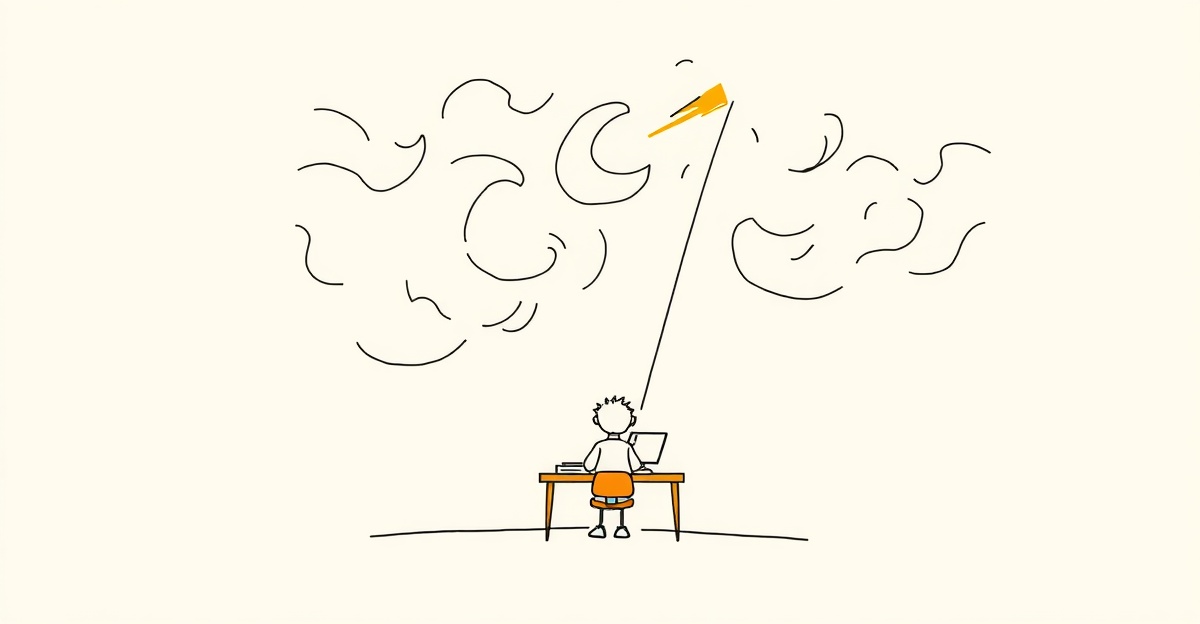
Exam anxiety is more than just feeling a bit nervous before a test. It’s a specific type of stress response where worry about test performance becomes so intense that it actually interferes with your ability to think clearly and demonstrate what you know. When you’re caught in this cycle, your mind goes blank even though you studied the material, your hands shake as you hold the pen, and your heart races uncontrollably.
Your body responds to high-stakes exam pressure with a genuine fight-or-flight reaction. When you perceive the test as a major threat—because your GPA, scholarship, or admission depends on it—your nervous system floods your bloodstream with cortisol and adrenaline. This was helpful when our ancestors faced physical danger, but during an exam, these chemicals create tunnel vision, shallow breathing, muscle tension, and difficulty concentrating. Your palms sweat, your stomach churns, and you might experience racing thoughts that jump from one topic to another instead of focusing on the question in front of you.
High stakes exam stress triggers these intense responses because they carry real consequences. Unlike a practice quiz, a final exam or standardized test can shape your future. This perceived threat activates deeper anxiety than low-pressure situations. Your brain recognizes that failure carries weight.
Certain factors make you more vulnerable to test anxiety. Perfectionism tops the list—if you believe anything less than an A is unacceptable, you’ve already set yourself up for stress. Previous negative testing experiences create anxiety too; one bad exam can seed doubt for future tests. Competition-focused environments, where grades are heavily emphasized or compared against peers, intensify pressure. Understanding which triggers apply to you is the first step toward learning how to deal with exam anxiety effectively.
Pre-Exam Preparation Strategies to Reduce Anxiety
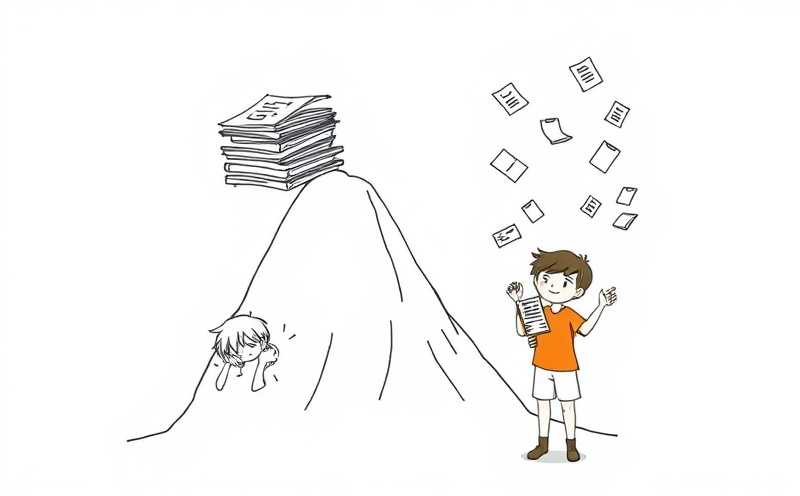
The week before your exam sets the tone for test day success. Rather than cramming everything into a panic-driven marathon session, build a structured study schedule across several days. This approach lets your brain consolidate information and reduces the frantic energy that feeds anxiety. Break your material into manageable chunks—studying for one hour focused on a single topic works far better than six hours of scattered review.
Realistic goals matter tremendously when addressing exam anxiety. Instead of aiming to “know everything perfectly,” target specific outcomes like “understand the major concepts” or “practice three sample questions per day.” When you hit these smaller targets, you build confidence rather than chasing an impossible standard. That shift in mindset actually improves performance because you’re studying from a place of capability rather than fear.
Mock exams are your secret weapon against test anxiety. Taking practice tests under actual exam conditions—same time limit, same format, same pressure—prepares your nervous system for the real thing. Your body won’t panic on test day because it’s already experienced something similar. You’ll also identify weak areas early enough to address them, which directly reduces that nagging worry about the unknown.
Don’t overlook the basics: sleep, food, and movement. Sleep deprivation amplifies anxiety and destroys your ability to think clearly during high stakes exam stress. Aim for consistent bedtimes in the nights leading up to your exam. Eat regular, balanced meals rather than living on coffee and energy drinks, which spike anxiety. Exercise—even a 20-minute walk—acts as a powerful anxiety buffer by burning off excess nervous energy and releasing calming chemicals in your brain.
Immediate Exam Anxiety Tips for Test Day Success
When you sit down to take the exam, your anxiety management shifts from preparation to execution. The techniques you use in those crucial hours can mean the difference between freezing up and performing at your best. Having specific exam anxiety tips ready helps you respond confidently when nerves strike.
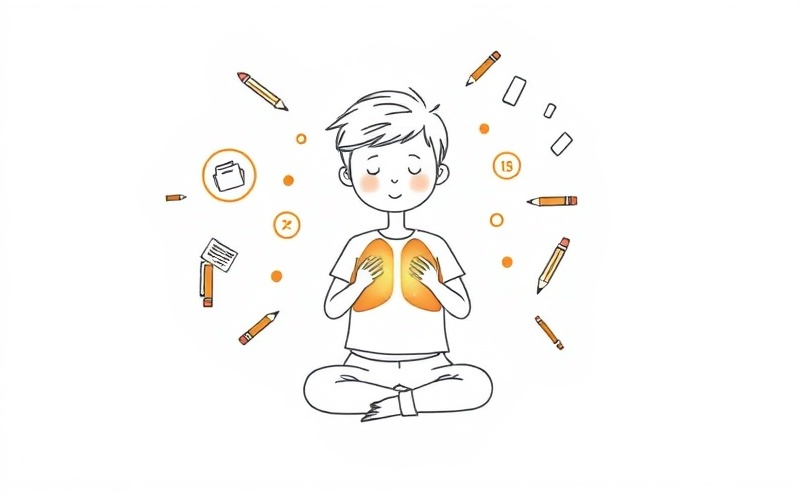
Breathing is your fastest tool for calming your nervous system during high stakes exam stress. When anxiety spikes, most people unconsciously switch to shallow chest breathing, which actually increases panic. Try the 4-7-8 technique: breathe in through your nose for four counts, hold for seven, then exhale through your mouth for eight. Do this five times before you start or whenever you feel panic rising during the test. The longer exhale activates your parasympathetic nervous system—your body’s natural brake on stress.
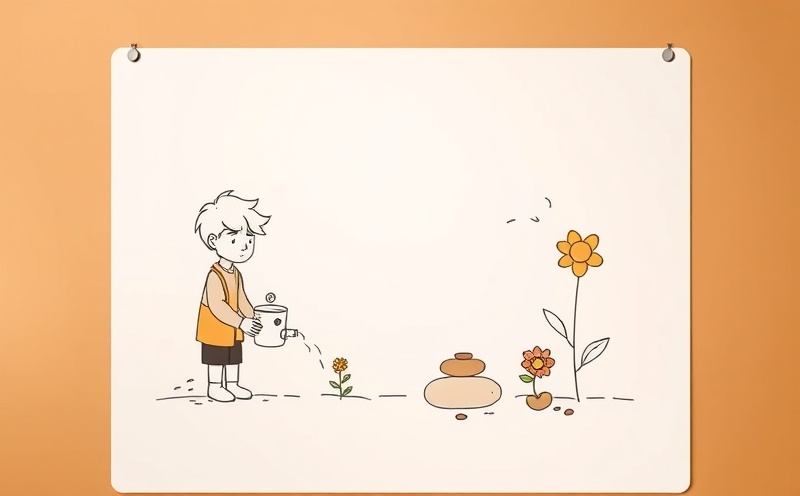
Your self-talk during the exam shapes how your body responds. Instead of thinking “I’m going to fail” or “I don’t know this material,” replace those thoughts with grounded statements like “I’ve studied this,” “I can handle one question at a time,” or “Nervousness means I care—I can work through this.” These mantras aren’t about fake positivity; they’re about redirecting your mind toward what you can control. When you catch yourself spiraling, pause and name something specific you do know about the test content.
Time management prevents that last-minute panic that amplifies anxiety. Scan the entire exam first, then tackle easier questions before harder ones. This builds momentum and confidence while helping you learn how to deal with exam anxiety in real time. Skip difficult questions initially rather than burning mental energy on them—you can return once you’ve banked points elsewhere.
How to Deal with Exam Anxiety During the Test
Physical grounding techniques work exceptionally well when panic strikes mid-exam. Press your feet firmly into the floor and feel the solid surface beneath you. Roll your shoulders back and down to release muscle tension that builds up unconsciously. These simple movements signal your nervous system that you’re safe and stable, countering the physical symptoms of exam anxiety.
Strategic question management becomes crucial for maintaining calm throughout the test. Read each question carefully twice before attempting an answer—rushing leads to mistakes that fuel more anxiety. If you encounter a question that stumps you completely, write down any related information you remember, then move forward. Your subconscious often continues working on problems while you focus elsewhere. This approach prevents you from getting trapped in anxiety spirals over single difficult questions.
Positive self-coaching throughout the exam helps maintain emotional regulation. Acknowledge your progress by noting “I’ve completed five questions successfully” rather than focusing on how many remain. Celebrate small wins like remembering a formula or answering a challenging multiple-choice question correctly. These internal victories build momentum and keep anxiety from overwhelming your confidence as you work through high stakes exam stress.
Long-term Strategies for Managing High Stakes Exam Stress
Building lasting resilience against exam anxiety requires consistent practice between major tests. High-stakes exams trigger stress responses that compound over time if you don’t address them systematically. The key lies in treating anxiety management as a skill to develop rather than a weakness to hide.
Regular exposure to exam-like conditions gradually reduces your stress response intensity. Schedule weekly practice tests throughout the semester, not just before major exams. Use actual past exams or create realistic practice scenarios with time limits and similar question formats. Each controlled exposure teaches your body and mind that test situations are manageable, making exam anxiety feel less overwhelming when it matters most.
Developing a personal toolkit of exam anxiety tips ensures you’re prepared for different situations. Some students respond better to breathing techniques, while others benefit more from positive self-talk or physical grounding. Experiment with various strategies during low-pressure practice sessions to identify what works best for you. Having multiple tools available prevents panic if your primary strategy isn’t effective during a particular exam.
If you consistently experience severe symptoms like panic attacks, complete mental blanks, or debilitating physical reactions that don’t improve with standard strategies, consider professional support. Campus health centers often provide cognitive behavioral therapy specifically designed for test anxiety, which has strong evidence for effectiveness. Learning how to deal with exam anxiety sometimes requires professional guidance, and seeking help demonstrates wisdom rather than weakness.
Frequently Asked Questions
What are the most common physical symptoms of exam anxiety?
Common physical symptoms include rapid heartbeat, sweating, nausea, headaches, muscle tension, and difficulty sleeping. Some students also experience trembling hands or shortness of breath.
How long before an exam should I start using anxiety management techniques?
Begin implementing anxiety management strategies at least 2-3 weeks before your exam. However, breathing exercises and relaxation techniques can be started immediately and used right up to test day.
Can exam anxiety actually improve test performance?
A small amount of anxiety can enhance focus and motivation, but excessive anxiety typically impairs memory recall, concentration, and decision-making abilities, leading to poorer performance.
What should I do if I have a panic attack during an exam?
Focus on slow, deep breathing through your nose. Ground yourself by identifying 5 things you can see, 4 you can touch, 3 you can hear, 2 you can smell, and 1 you can taste. If needed, ask to step outside briefly.
When should I consider seeking professional help for exam anxiety?
Seek professional help if anxiety severely impacts your daily life, causes physical symptoms that interfere with studying, leads to avoidance of important exams, or if self-help strategies aren't providing relief.