

Understanding Why Studying Makes You Angry and Frustrated
Studying triggers frustration while studying through several interconnected mental processes. Your brain works hard to absorb new information, organize it, and apply it—and when this system gets overwhelmed, anger surfaces as a defense mechanism.
Cognitive overload sits at the center of study-induced frustration. When you encounter dense material, complex concepts, or lengthy reading assignments, your working memory—the part of your brain that holds and processes information temporarily—reaches its capacity. This triggers your nervous system’s fight-or-flight response, releasing cortisol and adrenaline.
Instead of running from danger, you stay seated, and all that physiological stress converts into irritability and anger toward the material itself. Perfectionism compounds this problem significantly when students set impossibly high standards—expecting to understand everything on the first read or score perfectly on every practice test.
Your brain also has real physical limits when processing information. Mental fatigue develops after sustained focus because your prefrontal cortex—responsible for concentration and emotional regulation—depletes its glucose and oxygen supply. As this happens, you lose emotional control faster, and small frustrations that you’d normally brush off suddenly feel unbearable.
Studying creates frustration when cognitive overload triggers your fight-or-flight response, perfectionist expectations clash with reality, and mental fatigue depletes your emotional regulation capacity. These three factors work together: your working memory reaches its limit, your standards feel unattainable, and your brain literally loses the resources to stay calm.

Immediate Strategies to Calm Down When Study Stress Hits
When what to do when studying makes you angry becomes urgent, your body is already in a stress state. Your nervous system has activated the fight-or-flight response, flooding your system with cortisol and adrenaline. The quickest path back to a calm, focused state involves interrupting this physiological cascade before it spirals further.
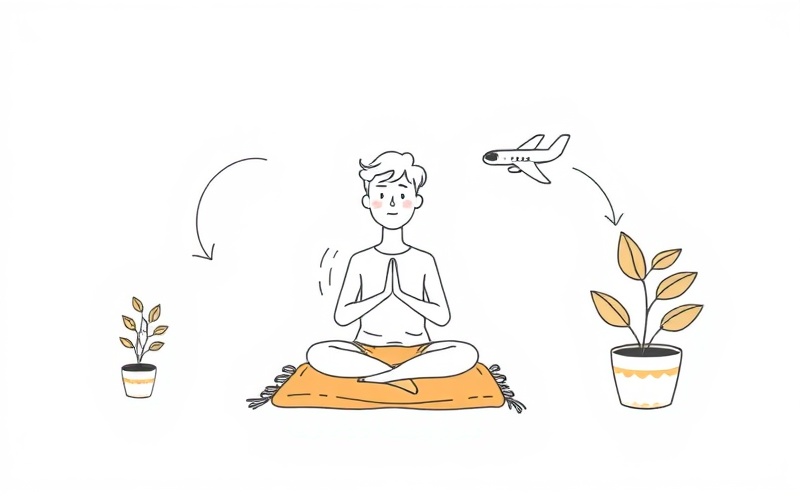
Deep breathing is the most immediate intervention available. Unlike willpower or positive thinking, breathing reaches your nervous system directly. When you breathe slowly and deliberately, you’re telling your vagus nerve—the main highway between your brain and body—that the threat has passed.
The 4-7-8 breathing technique: Inhale through your nose for 4 counts, hold for 7 counts, exhale through your mouth for 8 counts. Repeat this cycle 4 times. The extended exhale activates your parasympathetic nervous system more effectively than equal-length breathing, which is why the timing matters. This method takes about 3 minutes total and produces measurable drops in heart rate and blood pressure.
Physical movement works equally fast for dealing with study stress. Your body and mind are interconnected—when you’re angry or frustrated, you’re sitting still and tense. Breaking this pattern interrupts the emotion itself through increased blood flow to your prefrontal cortex.
- Stop studying immediately when frustration peaks
- Stand and move your body for 60-120 seconds (walk, stretch, or exercise)
- Combine movement with deep breathing for amplified effect
- Return to your desk only when your body feels physically calmer
- Start with easier material or a different subject to rebuild momentum
Progressive muscle relaxation targets the tension that builds during frustrating study sessions. When you’re angry, your muscles contract unconsciously—your jaw clenches, shoulders rise, fists tighten. This physical tension maintains the emotional state, so systematically releasing muscle tension breaks the tension-emotion loop.
Why these methods work together: Breathing calms your nervous system instantly, movement resets your brain chemistry and increases oxygen to your prefrontal cortex, and progressive muscle relaxation removes the physical tension that reinforces frustration. Using all three within a 15-minute break addresses frustration at the neurological, physiological, and muscular levels simultaneously, getting you back to productive studying faster than waiting for frustration to fade on its own.
Breaking Down Complex Material to Prevent Overwhelm
Overwhelm during studying often stems from trying to process everything at once. When you face a 300-page textbook, a stack of lecture notes, or a complex topic with dozens of subtopics, your brain freezes. Breaking material into smaller, digestible chunks transforms an impossible task into a series of manageable steps.
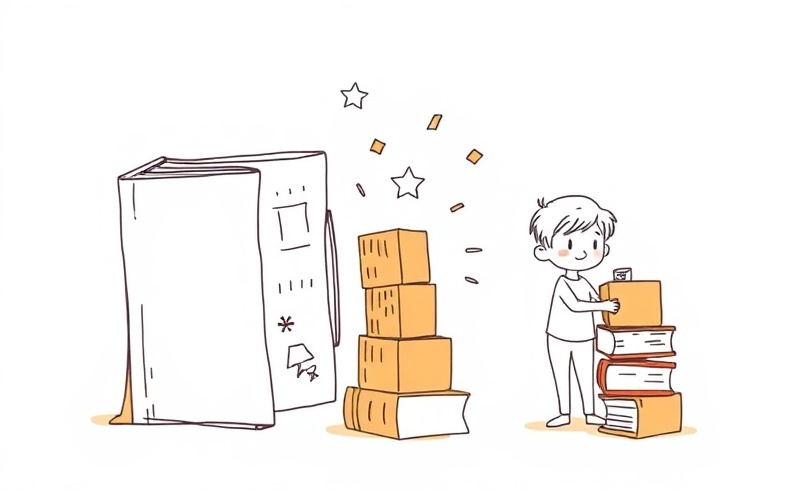
This approach—called chunking—directly counteracts cognitive overload by respecting your working memory’s actual capacity. Your brain can hold only 5-9 discrete pieces of information at once, so a 50-page chapter feels overwhelming while that same chapter divided into 5 sections of 10 pages each feels completely manageable.
Chunking is the practice of breaking large amounts of information into smaller, meaningful segments that match your working memory’s capacity. Instead of trying to learn 50 pages at once, you divide the material into 5-10 page sections, study each one completely, then move forward. This reduces cognitive load and prevents the overwhelm that triggers frustration while studying.
Creating a study hierarchy ensures you spend energy on what actually matters. Not all information has equal importance—some concepts form the foundation for everything else while others are supporting details. When you try to memorize everything equally, you waste mental resources and feel overwhelmed by the volume.
- Identify the main concept or learning objective for the entire unit (the top-level category)
- List the 3-5 core concepts that directly support this main objective (secondary level)
- Under each core concept, list 2-4 supporting details or examples (tertiary level)
- Stop there—don’t add more levels unless absolutely necessary
- Study from top to bottom: master the main concept first, then each core concept, then supporting details
- Allocate study time proportionally: spend 40% on main concepts, 40% on core concepts, 20% on supporting details
Spaced repetition prevents the overwhelm that comes from forgetting. Many students study intensively for one session, feel confident, then panic days later when they can’t remember anything. This boom-and-bust cycle creates frustration and makes you doubt your learning ability.
Spaced repetition is reviewing studied material at increasing intervals: first review after 1 day, second review after 3 days, third after 1 week, fourth after 2 weeks. Each review strengthens the memory with minimal time investment compared to cramming. This schedule prevents the panic of forgetting and reduces the frustration that comes from inefficient studying.
Building Effective Study Routines That Reduce Stress
A consistent study schedule removes the daily decision-making that drains mental energy and creates stress. When you study at random times, your brain spends cognitive resources deciding when to study instead of focusing on what to study. This decision fatigue compounds frustration while studying and makes each session feel harder to start.
Your schedule should match your natural energy patterns, not fight them. If you’re sharpest in the morning, schedule your most challenging material before noon. Morning people often retain more when studying complex concepts at 8 AM than at 8 PM, while night owls do the opposite.
A consistent study schedule is a fixed daily or weekly time block dedicated to studying at the same time each day, reducing decision fatigue and allowing your brain to anticipate and prepare for focused work. Studying from 6 PM to 7:30 PM every weekday transforms studying into automatic routine rather than an optional task you must motivate yourself to start.
- Identify your peak energy hours—when you naturally feel most alert and focused
- Block out 45-60 minute study sessions during these hours
- Schedule the same time every weekday to build automaticity
- Plan your most difficult material during your sharpest window
- Reserve secondary tasks (organizing notes, reviewing) for lower-energy times
- Protect this time as non-negotiable, like an appointment with yourself
Your physical study environment dramatically impacts your ability to concentrate without frustration. A chaotic space—cluttered desk, notifications pinging, background noise—forces your brain to filter constant distractions. This filtering consumes the same attentional resources you need for actual learning, reducing both focus quality and learning efficiency.
An optimal study environment is a distraction-free physical space with a clear desk, controlled temperature (65-68°F), quality lighting, and consistent sound conditions that support focus without sensory overload. Removing visual clutter, phone notifications, and competing sounds reduces the cognitive load your brain uses to filter distractions, freeing those resources for actual learning.
Regular breaks aren’t distractions from studying—they’re essential maintenance for studying effectively. Your brain’s ability to focus degrades predictably over time, and after 45 minutes of concentrated work, your prefrontal cortex begins depleting glucose and oxygen. A 10-minute break restores these neurochemical resources.
Study breaks are 10-minute intervals between 45-minute study blocks involving physical movement, outdoor exposure, or mental rest—not phone checking or social media. Breaks restore glucose and oxygen to your prefrontal cortex, reducing mental fatigue and the frustration that comes from declining focus. Rewards are small pleasures earned after completed study blocks, creating dopamine-driven motivation to return to studying repeatedly.
Long-term Solutions for Managing Study-Related Anger
Study-related anger often stems from viewing challenges as threats to your intelligence rather than opportunities to build competence. This belief—called a fixed mindset—makes difficult material feel like evidence of your limitations. When you encounter a concept you don’t immediately understand, your brain interprets this as “I’m not smart enough,” triggering frustration and shame.
A growth mindset flips this interpretation: struggle means your brain is actively forming new neural connections, and difficulty is exactly where learning happens. Instead of “I can’t do this,” you practice “I can’t do this yet, but I’m building the skill.” This isn’t positive thinking—it’s accurate neuroscience about how to deal with frustration and overwhelm while studying.
A growth mindset is the belief that your abilities develop through effort, practice, and learning from mistakes, rather than being fixed traits you’re born with. Students with growth mindsets view challenging material as opportunity for brain development, not as evidence of inadequacy. This reframing transforms frustration from “I’m not smart” into “I’m building competence,” which reduces anger and increases persistence through difficult studying.
Emotional regulation skills prevent anger from escalating and allow you to respond to frustration with choice rather than reaction. When anger peaks, most students feel controlled by the emotion because the amygdala (emotional center) temporarily hijacks the prefrontal cortex (rational center). Your brain literally can’t access your reasoning capacity in this state.
- When you feel anger rising during studying, pause immediately before the emotion escalates
- Name the specific emotion: frustration, shame, overwhelm, defeated, inadequate
- Identify the trigger: what exactly happened right before the emotion appeared
- State it aloud or write it: “I’m feeling [emotion] because [specific trigger]”
- Ask yourself: “What can I actually do about this trigger right now?”
- Take one action, however small, to address the trigger
- Notice that the emotion decreases when you move toward the problem instead of away from it
Support systems transform studying from an isolating struggle into a collaborative process. When you face challenges alone, dealing with study stress becomes harder because you’re also managing the emotional weight by yourself. A peer study group, tutor, teacher relationship, or accountability partner offers explanations when you’re stuck and normalizes struggle.
A support system is a structured network of people (study partners, tutors, teachers, friends, accountability partners) who understand your learning challenges and help you work through them. Effective support addresses specific frustration triggers: peer explanations reduce confusion-based anger, shared studying normalizes struggle, and accountability partners maintain motivation during difficult learning periods. Regular contact with support systems prevents the isolation that amplifies frustration.
The combination of growth mindset, emotional regulation skills, and active support systems creates resilience against study-related anger. You’re no longer interpreting struggle as personal failure, you’re not controlled by emotional reactions, and you’re not managing everything alone. These three elements work synergistically to help you master how to deal with frustration and overwhelm while studying.
Frequently Asked Questions
Why do I get so angry when I can't understand something while studying?
Anger during studying often stems from cognitive overload and perfectionist expectations. When your brain can't process information efficiently, it triggers a stress response that manifests as frustration and anger.
How long should I take a break when I feel overwhelmed while studying?
Take a 5-15 minute break when frustration peaks. For severe overwhelm, take 30-60 minutes to fully reset your mental state through physical activity, relaxation, or a change of environment.
Is it normal to cry or feel extremely frustrated while studying?
Yes, intense emotions during studying are normal responses to stress and cognitive overload. These feelings indicate you may need to adjust your study methods, take breaks, or seek additional support.
What should I do if I consistently get angry during study sessions?
Consistent study anger suggests you need to modify your approach. Try breaking material into smaller chunks, changing your environment, adjusting your study schedule, or consulting with teachers or tutors for alternative learning strategies.