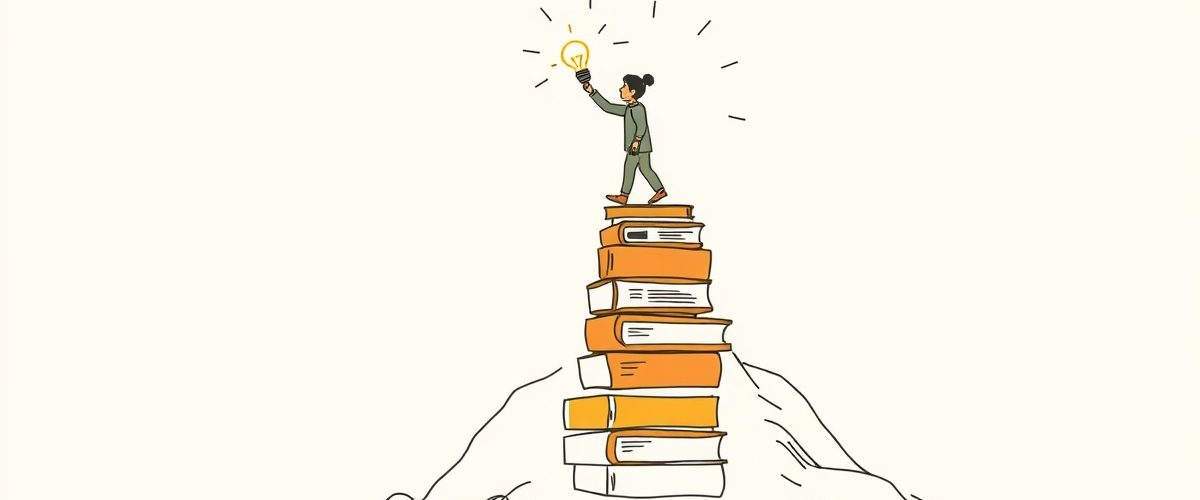

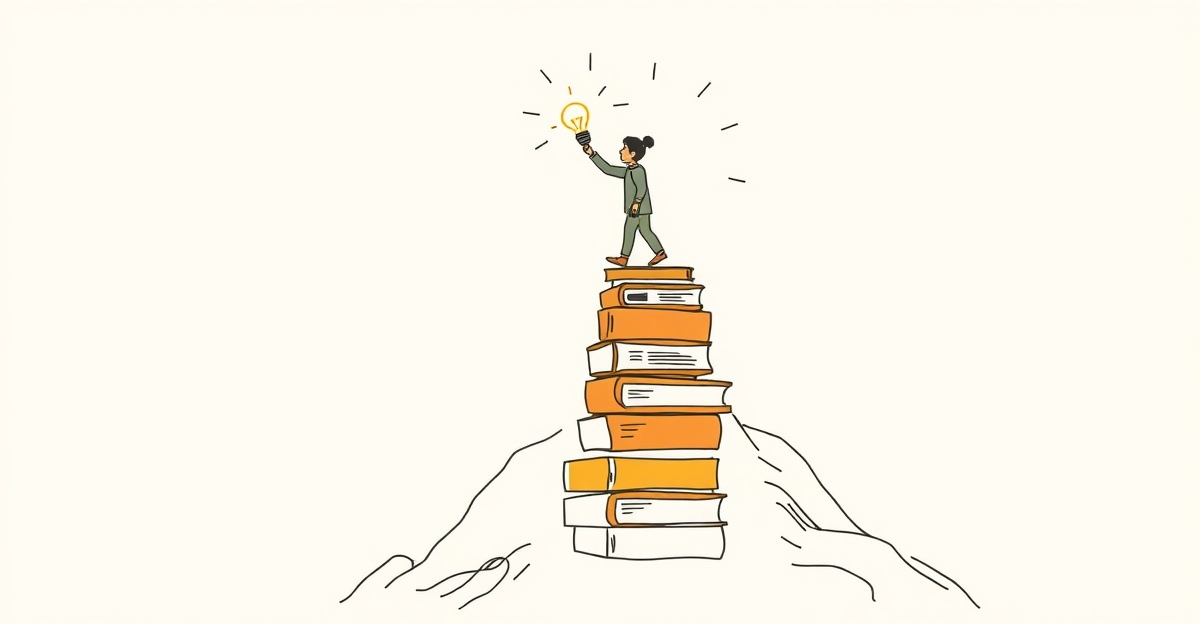
Why Traditional Textbook Reading Doesn't Work
Cracking open a textbook and reading straight through from page one is how most students approach studying. It feels productive—you’re turning pages, your eyes are moving across words, and you’re technically engaging with the material. But here’s the problem: your brain isn’t actually retaining much of anything when you don’t know how to study a textbook effectively.
Passive reading is like listening to background music while working. It happens, but you won’t remember the lyrics tomorrow. When you simply read without interaction, your mind wanders. You might finish a paragraph and realize you have no idea what you just read.
This happens because reading alone doesn’t create the mental effort required for memories to stick. Your brain needs challenges, questions, and active processing to encode information into long-term memory. Without proper textbook study techniques, you’re essentially wasting your time.
The second major flaw with traditional textbook reading is information overload. A single chapter contains hundreds of facts, concepts, and details. Without a strategy to organize and prioritize this information, everything feels equally important.
You end up trying to memorize everything, which is impossible. Your brain’s working memory can only hold about seven pieces of information at once. Throwing an entire textbook’s worth at it leads to cognitive overload and frustration.
Finally, passive reading creates massive knowledge gaps. You might recognize information when you see it again during an exam, but that’s not real learning. You can’t apply concepts to new problems or explain ideas to someone else. These gaps become obvious when you face different question formats or real-world scenarios that require deeper understanding.
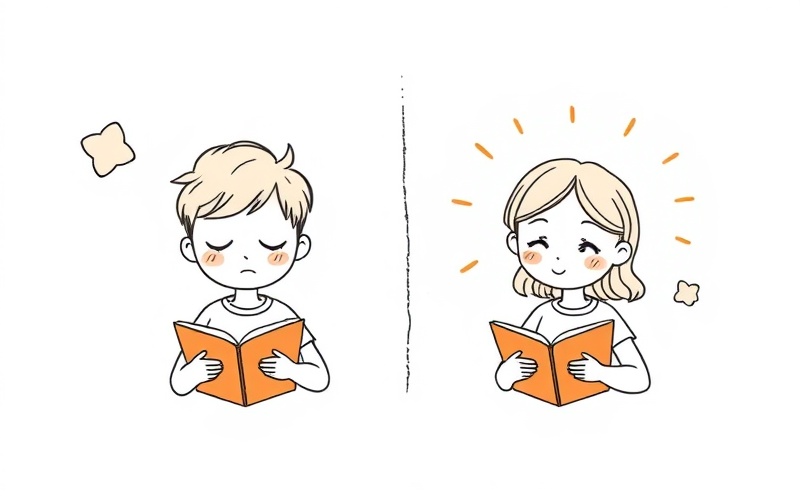
The SQ3R Method: A Time-Tested Textbook Study Strategy
The SQ3R method has been helping students master how to study a textbook since the 1940s, and it works because it transforms passive reading into an interactive process. The acronym stands for Survey, Question, Read, Recite, and Review—five steps that force your brain to engage with material at multiple levels. Each step builds on the previous one, creating a learning experience that sticks.
Start with the Survey phase. Before reading a single sentence, flip through the entire chapter. Look at headings, subheadings, summaries, review questions, and any diagrams or charts.
This 5-10 minute preview gives your brain a framework for organizing incoming information. You’re essentially creating a mental map of the chapter’s structure, which makes the detailed reading that follows much less overwhelming.
The Question step happens during your survey. Convert each heading into a question. If a section is titled “Photosynthesis in Plants,” ask yourself “What is photosynthesis?” or “How do plants use photosynthesis?”
Write these questions down. This technique is powerful because it gives your brain a specific target while reading. Instead of passively moving through paragraphs, you’re actively hunting for answers.
Now Read with purpose. With questions in hand, read each section deliberately to find the answers. Your focus sharpens because you’re not just reading—you’re searching. Highlight key sentences that answer your questions, but don’t go crazy.
Recite the concepts aloud without looking at the text. Explain what you just learned in your own words. Say it out loud. This step is where real learning happens—if you can’t explain it, you don’t understand it yet.
Finally, Review systematically. The next day, look over your questions and notes. Spend a few minutes reciting the main ideas again. A week later, review once more to cement the information permanently.
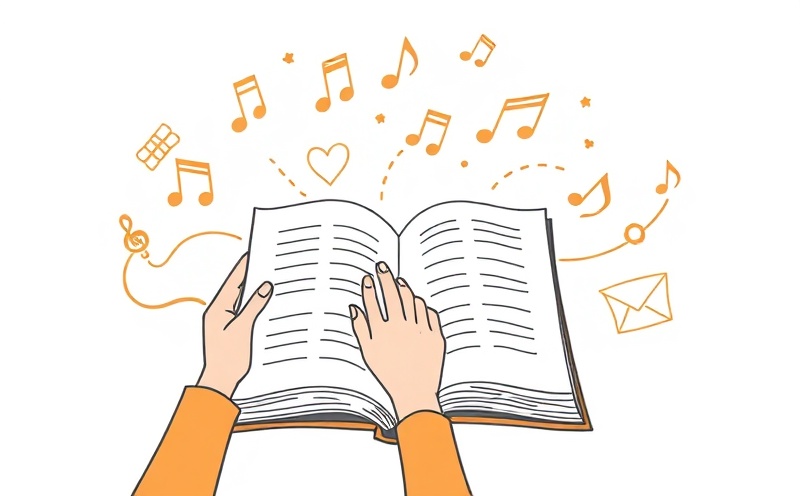
Active Reading Techniques That Maximize Comprehension
Active reading means talking back to your textbook. Instead of letting words wash over you, you’re engaging in a conversation with the author. The simplest way to start is through annotation—marking up your text as you read.
Don’t just highlight randomly. Circle unfamiliar terms, underline topic sentences, and write brief notes in the margins. When you encounter a concept that contradicts something you learned earlier, jot a question mark.
Visual connections transform abstract information into something your brain can actually grasp. Mind maps work exceptionally well for this effective study method. Start with a central concept in the middle of a page, then branch out with related ideas, examples, and connections.
Unlike traditional outline format, mind maps mimic how your brain actually works—through networks and associations rather than rigid hierarchies. A chapter on the American Civil War becomes a web showing causes, key figures, battles, and consequences all radiating from the center.
Summarizing forces clarity and demonstrates true comprehension. After finishing a section, close the book and write down what you just learned in your own words. Don’t copy sentences from the textbook.
Pretend you’re explaining it to a friend who knows nothing about the topic. This exercise exposes exactly what you understand and where gaps exist. If you can’t summarize something simply, that’s valuable feedback telling you to reread that section.
Finally, hunt for patterns and themes. Good textbooks aren’t random collections of facts. Authors organize information around big ideas that connect multiple concepts.
As you read, ask yourself what pattern emerges. Do certain themes appear repeatedly? Identifying these overarching patterns means you’re learning the subject’s logic, not just memorizing isolated details.
Note-Taking Systems for Textbook Study Success
Your note-taking system determines whether your textbook study becomes a powerful learning tool or just busy work. The Cornell method, developed at Cornell University in the 1950s, remains one of the most effective approaches when learning how to study a textbook. Here’s how it works: divide your page into three sections.
On the left side, create a narrow column (about 2-3 inches wide) for cue questions and keywords. The right side, taking up most of the page, holds your actual notes. At the bottom, leave space for a summary paragraph.
During class or while reading, you fill the right side with comprehensive notes. Later, you add questions or keywords to the left column that correspond to your notes. When reviewing, you cover the right side and use the left column as prompts to test yourself.
The handwritten versus digital debate has real implications for learning. Writing by hand forces you to process information more carefully—you can’t physically write as fast as you can type, so your brain naturally filters what matters most. This selective note-taking actually improves retention compared to typing word-for-word transcripts.
Handwritten notes also engage different parts of your brain, creating stronger memory encoding. However, digital notes offer genuine advantages: they’re searchable, easy to reorganize, and you can include photos of diagrams or charts.
The middle ground works best for many students—handwrite your initial notes while reading, then type them up later. This two-step process gives you the memory benefits of handwriting plus the organizational benefits of digital formats.
Study guides transform scattered notes into focused review materials. After completing a chapter, create a document that distills everything into the essential concepts. Include definitions of key terms, main ideas from each section, and answers to review questions.
Don’t simply copy from your notes—rewrite everything in your own words. This process of synthesizing information is where real learning happens. Good study guides answer the question “what do I actually need to know from this chapter?”
Organization determines whether you’ll actually use your notes for review or let them gather digital dust. Create a filing system—either physical folders or digital ones—organized by subject and chapter. Use consistent formatting: same font sizes, heading styles, and color schemes across all notes.
This consistency means your brain recognizes patterns faster during review. Label everything with dates and chapter numbers so you can quickly locate specific material. When review time comes, organized notes let you efficiently refresh your memory instead of hunting through pages.
Memory Techniques and Review Strategies
Your brain doesn’t cement information on the first read. Spaced repetition—reviewing material at increasing intervals—is how memory actually works. Study a chapter today, review it tomorrow, then again a week later, then a month later.
Each review session strengthens neural pathways and pushes information into long-term storage. This isn’t about cramming everything the night before an exam. It’s about consistent, strategic review that fights the natural tendency to forget.
Flashcards bridge the gap between passive reading and active recall. After finishing a section, create cards with a question on one side and the answer on the other. What causes photosynthesis? How did the Industrial Revolution change society?
Write the question in your own words, not copied from the textbook. The act of making cards forces you to identify what actually matters. When you quiz yourself with these cards, you’re practicing the exact skill exams demand—retrieving information from memory.
Practice testing is the single most effective study technique research has identified. Don’t just reread your notes. Instead, close the book and answer practice questions.
Use the review questions at the end of each chapter. Take practice tests if your textbook provides them. Try explaining concepts to a study partner who quizzes you on textbook material.
This testing effect works because retrieving information is fundamentally different from reviewing it. Your brain strengthens memories through retrieval practice. Every time you answer a question, you’re not just checking understanding—you’re literally rewiring your brain to hold that information more securely.
Isolated facts disappear quickly. Connect new information to what you already know, and it sticks. When learning about the French Revolution, think about how it relates to revolutions you’ve studied.
When studying photosynthesis, connect it to cellular respiration. Create analogies that map new concepts onto familiar territory. Your brain is a network of connections, not a filing cabinet of isolated facts.
Frequently Asked Questions
How long should I spend studying each textbook chapter?
Plan 30-60 minutes per chapter depending on complexity, plus additional time for review and note-taking. Break longer chapters into smaller sections.
Should I read the entire textbook or focus on assigned chapters?
Focus on assigned chapters first, but skim related sections for context. Read the full textbook if time permits and it supports your learning goals.
What's the best time of day to study textbooks?
Study during your peak alertness hours, typically morning for most people. Avoid studying when tired or distracted for better comprehension and retention.
How can I stay focused while reading dense textbook material?
Use active reading techniques, take regular breaks every 25-30 minutes, eliminate distractions, and set specific goals for each study session.