

Understanding Why You Can't Focus While Studying

Struggling to maintain concentration while studying isn’t a personal failure—it’s often the result of identifiable factors working against you. Understanding what’s breaking your focus is the first step toward learning how to study when you can’t focus effectively.
Your phone, laptop notifications, and social media feeds are obvious culprits, but their impact goes deeper than you might think. Research shows that even the *presence* of your phone reduces cognitive performance, even when you’re not actively using it. Your brain reserves mental energy just knowing it’s there, waiting to be checked. Switching between your study material and digital distractions creates what researchers call “attention residue”—your mind lingers on the last thing you were doing, making it harder to fully engage with what’s in front of you.
Physical conditions matter more than most students realize when figuring out how to focus on study and not get distracted. Studying when you’re hungry, dehydrated, or sleep-deprived is like trying to run a marathon on an empty tank. Your body’s basic needs directly affect your brain’s ability to concentrate. Poor lighting, uncomfortable temperatures, and cluttered study spaces also drain your mental resources.
Stress and anxiety are silent focus-killers that directly impact how to improve focus when studying. When you’re worried about grades, deadlines, or other life issues, your brain enters a protective mode, making it nearly impossible to concentrate on academic material. Racing thoughts and that nagging sense of dread hijack your attention before you even open your textbook.
Mental fatigue plays a significant role too. If you’ve already spent eight hours working or doing other cognitively demanding tasks, your brain’s focus capacity is already depleted. Trying to force concentration when you’re mentally exhausted creates frustration and reduces learning efficiency.
How to Create the Perfect Study Environment
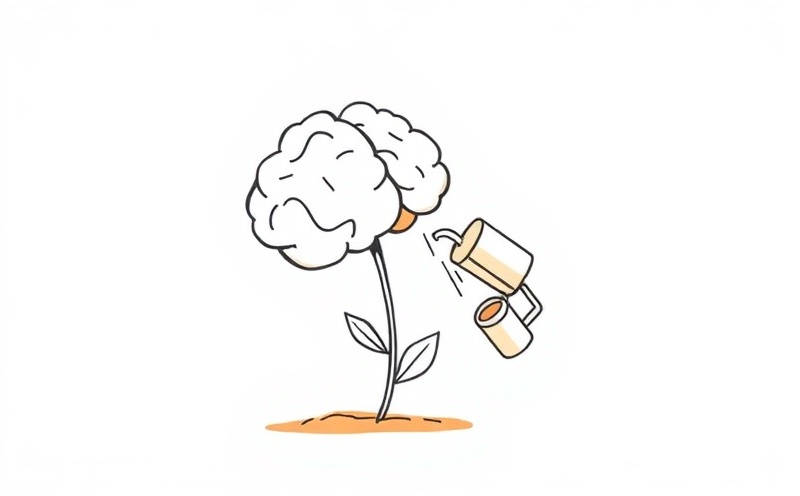
Your study environment either supports or sabotages your ability to focus. The good news? You have direct control over it. Creating a space where concentration flows naturally doesn’t require expensive equipment or a complete room overhaul—just thoughtful adjustments that support how to increase focus while studying.
Start by removing anything that pulls your attention away from studying. This means clearing your desk of unrelated items, putting your phone in another room, and closing browser tabs that aren’t essential. A cluttered desk creates visual noise that continuously competes for your attention. Even objects you’re not consciously looking at drain your focus capacity.
One study found that participants in cluttered spaces performed worse on tasks requiring concentration. Keep only what you need for your current study session within arm’s reach. This simple change can dramatically improve how to focus better when studying.
Lighting directly influences how alert your brain feels. Natural light is ideal—it keeps you awake and supports healthy circadian rhythms. If you study indoors, position yourself near a window when possible. For artificial lighting, avoid dim lamps that make your eyes work harder and trigger drowsiness.
Temperature matters more than you’d expect for those learning how to regain focus while studying. Studies consistently show that people focus best between 69-72°F (20-22°C). Too warm, and your body wants to rest. Too cold, and physical discomfort dominates your thoughts. Adjust your study space accordingly, and keep a blanket nearby if needed.
Before you start studying, have a conversation with the people sharing your space. Tell roommates or family members your specific study hours and ask them to keep noise minimal during that time. Set clear expectations rather than hoping they’ll guess when you need quiet. This prevents constant interruptions and reduces the mental energy spent anticipating disruptions.
Digital Strategies to Improve Focus When Studying
Your devices are powerful study tools, but they’re also your biggest distractions. The solution isn’t abandoning technology—it’s using it strategically to protect your focus rather than sabotage it. These digital strategies are essential for anyone wondering how to focus on your studies in today’s connected world.
Website blockers are straightforward and effective. Tools like Freedom, Cold Turkey, and LeechBlock let you blacklist distracting sites during designated study hours. You set the rules upfront, then the app enforces them automatically. Unlike relying on willpower, these tools remove temptation entirely.
You can’t “just quickly check” social media if the site simply won’t load. Many students find this external structure invaluable because it eliminates the internal negotiation that drains mental energy.
Notifications are attention assassins that work against how to focus more on studies. Every ping, buzz, or banner pulls you away from what you’re studying and triggers attention residue. Turn off notifications for everything except genuine emergencies. Go into your phone settings and disable alerts from social media, email, news apps, and messaging platforms during study sessions.
The Pomodoro Technique pairs exceptionally well with digital tools for those seeking how can i focus on my studies. Set a timer for 25 minutes of focused work, then take a 5-minute break. After four cycles, take a longer 15-30 minute break. Apps like Forest, Be Focused, and Focus Keeper gamify this approach—Forest even plants virtual trees that grow during your study sessions, creating a visual reward for maintaining focus.
Digital calendars and reminder apps keep your study schedule visible and consistent. Schedule specific study blocks in your calendar like you would any appointment, then set reminders 15 minutes before. This external structure reduces decision fatigue—you’re not wondering when you should study, you’re simply following your predetermined schedule.
The Pomodoro Technique: How to Focus Better When Studying
The Pomodoro Technique transforms studying from a marathon of declining focus into a series of short, intense bursts. The basic structure is simple: 25 minutes of concentrated work, followed by a 5-minute break. After completing four of these cycles, you take a longer break of 15 to 30 minutes. This rhythm works because it aligns with how your brain actually functions—you can maintain deep concentration for roughly 25 minutes before your attention naturally starts to slip.
What makes this method so effective is that it removes the mental burden of deciding how long you should study. Instead of facing an intimidating three-hour study block, you’re only committing to 25 minutes. That feels achievable, which lowers the psychological resistance to starting. Once you begin, you’re more likely to continue past one cycle because the momentum carries you forward.
The breaks are equally important—they’re not distractions, they’re essential maintenance for your focus. During your 5-minute breaks, step away from your desk. Walk to the kitchen, do a few stretches, look out a window, or grab water. The key is actually disconnecting from your study material.
Different subjects benefit from slight modifications of the basic technique. For subjects requiring intense problem-solving like math or physics, stick with the standard 25-minute format—these subjects demand your sharpest mental state, and shorter cycles prevent errors that come from fatigue. For reading-heavy subjects like history or literature, you might extend to 30-minute cycles since you need time to get absorbed in the material.
Tracking your completed Pomodoros gives you concrete evidence of your productivity. Keep a simple tally or use an app that logs each completed cycle. Over a week or month, you’ll see exactly how many focused hours you’ve accumulated. This data does two things: it proves you’re making progress, which combats the feeling that studying is futile, and it reveals patterns in when you’re most productive.
Active Learning Methods to Increase Focus While Studying
Passive reading drains focus because your brain doesn’t have to work hard. You can scan words while your mind wanders elsewhere. Active learning flips this dynamic—it demands engagement, which forces concentration to spike. When you’re actively wrestling with material, distractions simply can’t compete for your attention.
The Feynman Technique works by asking you to explain concepts in your own words as if teaching someone who knows nothing about the subject. Pick a topic you’re studying, then write out an explanation using simple language. Avoid jargon and pretend your audience has zero background knowledge. This immediately reveals gaps in your understanding because you’ll hit walls—places where you realize you don’t actually grasp what you thought you knew.
Those gaps become your study targets. The act of explaining forces your brain to process material deeply rather than skimming the surface. Your focus sharpens because you’re solving a specific problem: “How do I explain this clearly?” instead of passively absorbing information.
Mind maps transform linear notes into visual networks that mirror how your brain actually works. Start with your main topic in the center, then branch outward with related concepts, examples, and connections. Use different colors, symbols, and images. This visual approach engages multiple parts of your brain simultaneously—spatial reasoning, color processing, and pattern recognition all activate at once.
Self-testing works better than re-reading for both focus and retention. After studying a section, close your materials and answer practice questions or write down what you remember. This retrieval practice forces your brain to work, which demands full attention. You can’t half-focus during self-testing because you either know the answer or you don’t.
Movement breaks your sitting trance and resets your focus. If you’ve been reading for 20 minutes, stand up and do jumping jacks, walk around your study space, or do arm circles. Even two minutes of movement increases blood flow to your brain and jolts you back to alertness.
Physical and Mental Preparation for Better Study Focus
Your brain can’t concentrate on an empty tank. Sleep deprivation is one of the most underestimated focus killers that directly impacts how to study when you can’t focus. When you’re running on six hours or less, your prefrontal cortex—the part responsible for attention and decision-making—operates at reduced capacity. You might sit at your desk for two hours and accomplish what you could do in 30 minutes when well-rested.
What you eat directly affects your ability to concentrate and how to focus on study and not get distracted. Your brain demands steady glucose, but sugar spikes followed by crashes sabotage focus. Instead of energy drinks or candy, eat protein-rich snacks like nuts, yogurt, or eggs that provide sustained energy. Complex carbohydrates like oatmeal or whole grain bread stabilize blood sugar better than refined alternatives.
Hydration matters just as much—even mild dehydration impairs concentration. Keep water nearby during study sessions and drink regularly. Many students mistake thirst for hunger or fatigue, reaching for snacks when their brain actually needs water.
Exercise isn’t something you do after studying; it’s preparation for studying. A 20-minute walk, jog, or yoga session increases blood flow to your brain and boosts neurotransmitters like dopamine and serotonin that directly improve focus. You don’t need intense workouts—even moderate activity works. Meditation operates differently but equally powerfully.
Anxiety and stress create mental clutter that crowds out focus. Before you start studying, spend a few minutes identifying what’s bothering you. Write down your worries, even if they’re unrelated to studying. Getting them out of your head and onto paper reduces their mental weight.
How to Regain Focus When Your Mind Starts Wandering
Your mind wanders—it’s not a character flaw, it’s how brains work. The key is catching yourself quickly. Most students lose 10 or 15 minutes before realizing they’ve drifted onto thinking about their phone, weekend plans, or what they’re eating for dinner. Set a timer on your phone to buzz every 15 minutes as a checkpoint.
When it goes off, pause and honestly ask: “Was I fully focused on this material, or did my mind wander?” This simple check-in trains you to notice drift faster. The sooner you catch it, the less mental energy you waste getting back on track.
When you catch yourself drifting, don’t panic or get frustrated—those reactions just add stress and make refocusing harder. Instead, use box breathing to reset. Breathe in slowly for four counts, hold for four, exhale for four, and hold again for four. Do this three times. This breathing pattern calms your nervous system and gives your brain a reset button.
The two-minute rule saves you from the spiral of lost focus. When you notice your attention slipping, commit to just two more minutes of focused work before reassessing. Two minutes feels manageable, so your brain doesn’t resist. Often, reengaging for those two minutes creates enough momentum that you naturally continue for another 10 or 15.
Study groups and accountability partners inject external structure into your focus. When someone else is studying alongside you, there’s social pressure that keeps you honest. You can’t pretend you were focused when you weren’t because another person is watching your work. Find one or two reliable study partners and schedule regular sessions.
Study Scheduling and Time Management for Better Focus
Your brain isn’t equally sharp all day. Some people hit peak focus in the early morning, others find their stride in late afternoon or evening. Track when you naturally feel most alert over a few days—notice when your mind feels clearest and when it gets foggy. Schedule your hardest subjects and most important material during those peak hours.
Realistic schedules beat ambitious ones that you’ll abandon by Wednesday. Instead of blocking out eight-hour study marathons, plan focused sessions of 45 to 90 minutes with clear breaks between them. Be specific about what you’ll accomplish in each block—not “study biology” but “complete practice problems on cellular respiration and review three flashcard sets.” When your goals are concrete, your brain knows exactly what to focus on.
Mixing difficult and simple material throughout your day prevents mental exhaustion and maintains focus. If you study a challenging subject like calculus for 45 minutes, follow it with something lighter—review notes from an easier class or organize your study materials. This pattern keeps your brain engaged without burning out your attention capacity.
Buffer time is where most schedules fail. If you plan back-to-back sessions with no gaps, you’ll run behind, feel rushed, and your focus will suffer. Add 10 or 15 minutes between study blocks for genuine breaks—stand up, get water, breathe. Also build flexibility into your weekly schedule.
Advanced Techniques: How to Focus More on Studies Long-term
Focus isn’t a trait you’re born with—it’s a skill you build through repetition. The same way your muscles grow stronger with consistent exercise, your attention span expands when you practice focusing regularly. Start with modest daily commitments: 25 minutes of distraction-free study, five days a week. Stick to this for two weeks without wavering.
Your brain will adapt. After those two weeks, extend to 30 minutes. The gradual progression matters because jumping from scattered studying to five-hour focus marathons sets you up to fail.
Progressive focus training works like interval training for your attention. Start with 15-minute focused bursts where you eliminate every possible distraction—phone in another room, notifications off, browser closed. When 15 minutes feels manageable, increase to 20. Keep pushing the ceiling by five-minute increments every week or two.
Motivation systems work best when tied to immediate rewards rather than distant goals. Studying for three hours “to get good grades” feels abstract and weak. But studying for 45 minutes to earn 15 minutes of guilt-free gaming or a favorite snack creates concrete incentive. Your brain responds to immediate consequences far more than future ones.
Many students study the same way regardless of what’s actually working. Start tracking your focus patterns. For one week, note the time of day, what subject you studied, how long your session lasted, how many times you drifted, and how much material you retained. You’ll spot patterns: maybe you focus best on math in the morning but can’t concentrate on history until evening.
Frequently Asked Questions
How can I focus on my studies when I'm constantly distracted by my phone?
Put your phone in another room, use airplane mode during study sessions, or install apps like Freedom or Cold Turkey to block distracting websites and notifications. Consider using a physical alarm clock instead of your phone to avoid temptation.
What should I do when I can't focus on studying no matter what I try?
Take a complete break from studying for 15-30 minutes, do light physical exercise, practice deep breathing, or try switching to a different subject. Sometimes lack of focus indicates you need rest, proper nutrition, or to address underlying stress.
How long should I study before taking a break to maintain focus?
The Pomodoro Technique recommends 25-minute focused study sessions followed by 5-minute breaks. However, this can vary by person – some focus better with 45-50 minute sessions. Experiment to find your optimal study-to-break ratio.
Is it normal to lose focus while studying, and how can I improve?
Yes, it's completely normal for your mind to wander during study sessions. Improve by starting with shorter, focused sessions, gradually increasing duration, eliminating distractions, and practicing mindfulness techniques to train your attention span.
What are the best study techniques for someone who gets easily distracted?
Active learning methods work best: summarizing information in your own words, teaching concepts aloud, creating flashcards, and using the Feynman Technique. These keep your brain actively engaged, making it harder for your mind to wander.