
Understanding Study Burnout and Its Impact
Study burnout recovery begins with recognizing that academic burnout extends far beyond simple tiredness—it’s a state of physical and emotional exhaustion caused by prolonged stress from studying and learning demands. When burnout takes hold, your mind and body become depleted from consistent pressure without adequate recovery time.
Study burnout manifests through specific symptoms that distinguish it from normal academic fatigue: persistent exhaustion even after rest, difficulty concentrating on material you once found manageable, cynicism toward subjects you previously enjoyed, declining grades despite increased effort, sleep disturbances, headaches, and complete detachment from learning goals. These symptoms compound each other, creating a cycle where studying becomes increasingly difficult and emotionally painful.
The neurological impact of burnout directly impairs your ability to learn effectively. Your brain’s capacity to absorb information deteriorates significantly—you might read the same paragraph three times without retaining anything. Memory consolidation weakens as chronic stress triggers inflammation, disrupts sleep cycles, and floods your system with cortisol that interferes with the hippocampus regions responsible for learning and recall.
Distinguishing temporary fatigue from chronic burnout requires understanding duration and recovery patterns: Normal academic fatigue resolves within 2-3 days of rest after intense study periods like finals week. Chronic burnout persists for weeks or months, doesn’t improve with weekend breaks, and creates physical symptoms like chest tightness or dread when thinking about studying. If you experience persistent avoidance of textbooks combined with anxiety about your academic future, you’re likely experiencing burnout rather than simple exhaustion.

Recognizing When You’ve Lost Motivation to Study
Learning how to start studying again requires first identifying when you’ve lost motivation to study beyond normal procrastination. This motivation loss creeps up gradually, often disguised as laziness or poor time management, but represents your brain sending genuine distress signals that deserve attention rather than self-criticism.
Lost motivation to study appears through three distinct categories of warning signs: Emotional indicators include dread when opening textbooks, irritability during study sessions, cynicism about your education’s value, or numbness toward subjects you once enjoyed. Behavioral red flags manifest as shrinking study sessions, increased social media scrolling during designated study time, declining grades despite increased effort, chronic procrastination on assignments, and erratic sleep patterns. Physical symptoms accompany these changes—headaches on study days, stomach tension before exams, or exhaustion after minimal academic work.
Self-assessment for motivation loss: Rate each statement from 1 (never) to 5 (always):
1. I dread starting study sessions and find excuses to delay
2. I retain information less effectively than I did six months ago
3. I feel exhausted after minimal studying, even with adequate sleep
4. I’ve lost excitement about my field of study or future career
5. I experience physical symptoms (headaches, tension, nausea) during study time
A combined score above 15 suggests motivation loss beyond normal fatigue. Scores above 20 indicate significant burnout requiring structured recovery approaches rather than pushing through with willpower alone.
The progression from normal study stress to complete motivation loss typically unfolds over several months. Initially, you compensate for decreased efficiency by studying longer hours, which temporarily maintains performance while increasing exhaustion. Eventually, longer hours stop working as concentration deteriorates further, creating a cycle where more effort produces worse results and deeper demoralization.
Creating the Right Recovery Environment
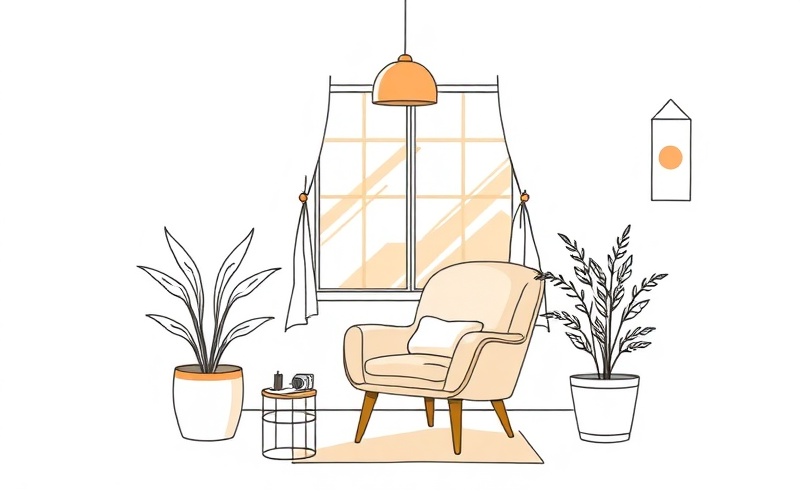
How to start studying again after burnout depends heavily on creating an environment that supports gentle re-engagement rather than triggering the stress responses associated with your previous study habits. Your recovery environment should actively counteract the conditions that contributed to your burnout while removing friction from the process of returning to academic work.
Start by identifying environmental triggers that activate stress responses before you even open a textbook. Does your current study desk remind you of panic-cramming sessions? Does visual clutter from incomplete assignments create immediate overwhelm? Are you studying in the same location where you experienced your worst burnout episodes? These environmental stressors prime your nervous system for fight-or-flight responses, making focused learning nearly impossible regardless of your intentions.
Designing a burnout-recovery study space involves systematic environmental modifications:
- Choose a completely different location from where you previously studied during burnout periods—a new library section, different coffee shop, or alternate room signals a fresh start to your subconscious mind
- Remove all visual reminders of incomplete work, past failures, or anxiety-inducing materials from your immediate sight lines
- Ensure optimal physical comfort through proper seating, appropriate desk height, and lighting that reduces eye strain without creating shadows
- Keep only current session materials visible while storing everything else in organized but out-of-sight locations
- Position yourself near windows or in open spaces rather than enclosed corners to reduce feelings of trapped pressure
Digital environment cleanup proves equally important as physical space design. Disable notifications from messaging apps, email, and social media during designated study blocks to prevent attention fragmentation. Close all browser tabs unrelated to your current work, and consider creating a separate browser profile exclusively for studying to physically separate this space from entertainment and social scrolling habits.
Essential Elements of a Burnout-Recovery Study Environment
A properly designed recovery space eliminates three categories of environmental stress: visual triggers (incomplete assignments, anxiety-associated locations, academic failure reminders), physical discomfort (poor ergonomics, harsh lighting, uncomfortable seating), and digital distractions (notifications, open tabs, entertainment apps). The space should feel genuinely different from your burnout-era study locations while supporting sustained focus through comfort and organization. This environmental reset signals to your nervous system that this space supports gentle learning rather than punishment-based cramming or perfectionist grinding.
Starting Small: The Micro-Study Approach
The micro-study approach forms the foundation of how to start studying again by proving to your nervous system that academic work can feel manageable rather than overwhelming. After burnout, attempting to jump directly into hour-long study sessions triggers the same stress responses that created your exhaustion initially, often leading to complete avoidance rather than productive engagement.
Begin with the five-minute rule as your complete goal, not a stepping stone to longer sessions. Set a timer for exactly five minutes, choose one specific micro-task like reviewing three flashcards or reading one textbook page, then stop completely when the timer rings. This duration seems laughably short, but your brain interprets these brief focused sessions as successes rather than endurance tests, gradually rebuilding positive associations with studying.
What happens during these micro-sessions matters more than their length. You’re systematically providing evidence that studying doesn’t destroy your energy or trigger overwhelming anxiety. Each completed five-minute block sends your nervous system the message that academic work is safe and manageable. After 3-4 days of consistent micro-sessions, you might naturally extend to seven or eight minutes without forcing the progression—this organic expansion feels completely different from white-knuckling through multi-hour study marathons.
Micro-Study Progression Framework for Burnout Recovery
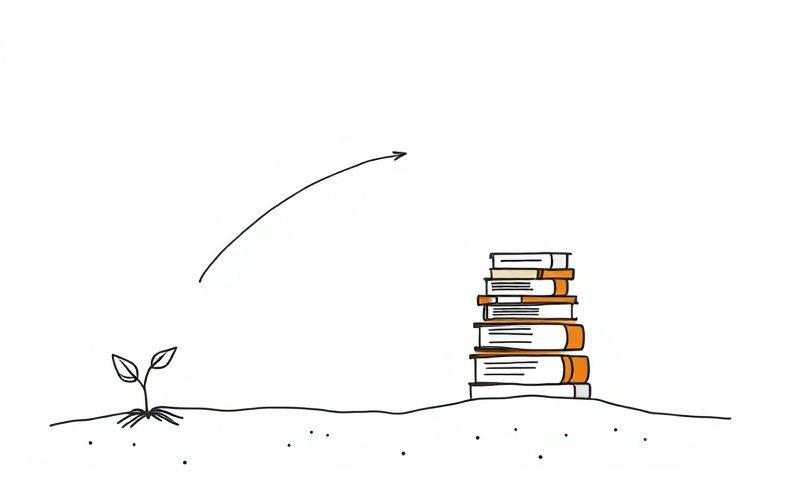
The micro-study approach rebuilds study capacity through gradual progression: Week 1 involves five minutes per session once daily with no pressure to extend; Week 2 allows five to seven minutes per session once or twice daily based on energy; Week 3 progresses to seven to ten minutes per session with two sessions separated by breaks; Week 4 extends to ten to fifteen minutes per session twice daily; Week 5 onward increases organically based on your actual capacity rather than external timelines. This progression prioritizes nervous system regulation over productivity metrics, allowing sustainable study habits to develop naturally.
Track your micro-study sessions using simple metrics: completion (yes or no), energy level before and after (depleted, neutral, energized), and any resistance or ease you noticed. This data helps you identify optimal timing, subjects that feel more manageable, and patterns in your recovery process without turning tracking into another source of pressure or perfectionism.
Rebuilding Your Study Routine Gradually
Study burnout recovery requires rebuilding routines that prioritize consistency over intensity, recognizing that sustainable progress develops through daily engagement rather than sporadic marathon sessions. Your burnout developed from pushing relentlessly without adequate recovery, so rebuilding must center on creating a schedule that feels supportive rather than punishing to maintain long-term.
Choose specific daily study times that align with your natural energy patterns rather than forcing sessions when your concentration typically falters. If you feel mentally sharp at 10 a.m., schedule study time then instead of defaulting to evening sessions when fatigue makes everything feel harder. Mark this time in your calendar as a non-negotiable commitment, treating it with the same respect you’d give a medical appointment or work meeting.
Integration of breaks isn’t optional—rest periods are foundational components of effective studying, not rewards earned after suffering through work blocks. During your focused study sessions, your brain consolidates information and processes concepts during rest intervals, making breaks essential for retention rather than luxury additions. Step completely away from your study space for 5-10 minutes between sessions: walk outside, drink water, stretch, or sit in silence without consuming additional information.
Self-Care Integration Prevents Burnout Recurrence During Study Routine Rebuilding
Build mandatory 5-10 minute breaks between study blocks rather than treating rest as optional rewards. Schedule study sessions during your natural energy peaks (morning, afternoon, or evening) based on when you actually feel alert rather than when you think you should study. Maintain consistent daily timing even when session length varies to establish routine predictability for your nervous system. Treat rest periods, physical movement, adequate sleep, and social connection as equal components of studying rather than competing priorities—these elements support cognitive function rather than distracting from academic work.
Progressive intensity increases should focus on task complexity rather than time duration during early recovery phases. Week one might involve reviewing existing flashcards; week three progresses to creating original flashcards from textbook material. Week two focuses on rereading highlighted notes; week four involves explaining concepts aloud to test comprehension. This approach challenges your thinking abilities without extending session length, keeping study blocks manageable while developing deeper understanding and engagement.
Monitor your study routine effectiveness through simple tracking: record session timing, duration, tasks completed, and your mental state (energized, neutral, depleted) after each block. After two weeks of consistent data collection, analyze patterns to identify which subjects drain energy faster, what timing produces better focus, and how different types of tasks affect your motivation. Use this information to customize your routine based on actual results rather than theoretical ideals or external expectations.
Managing Perfectionism and Academic Pressure
How to start studying again after burnout requires directly addressing the perfectionist patterns and external academic pressure that likely contributed to your original exhaustion. Burnout rarely develops from insufficient discipline—it typically results from perfectionist standards and overwhelming pressure that created unsustainable expectations no human could maintain indefinitely without consequence.
Perfectionist thought patterns disguise themselves as reasonable academic standards until examined closely. Thoughts like “I need to understand every concept completely before progressing” create indefinite delays since mastery develops iteratively through repetition and application. “If I can’t study for two hours, there’s no point studying at all” establishes all-or-nothing thinking that prevents any progress during recovery periods when shorter sessions are more appropriate.
“I should remember everything after reading it once” ignores how human memory actually functions—retention strengthens through spaced repetition and active recall, not initial exposure. “Getting a B means I’m falling behind” redefines normal academic performance as failure, creating constant pressure that exhausts your nervous system even during successful periods.
Identifying and Interrupting Perfectionist Thought Patterns
Common perfectionist beliefs that fuel academic burnout include all-or-nothing thinking (incomplete work equals complete failure), catastrophizing mistakes (one wrong answer means total incomprehension), constant comparison to high performers (measuring your progress against others’ highlights), and linking self-worth directly to achievement (grades determine personal value). To interrupt these patterns: notice the thought without immediately believing it, write down the specific words you’re thinking, ask what evidence contradicts this belief, consider whether you’d judge a struggling friend with this same standard, and identify what remains true even if the perfectionist thought isn’t accurate.
Setting realistic expectations doesn’t mean lowering standards—it means aligning expectations with your actual capacity, circumstances, and the reality of how learning progresses. If you’re recovering from burnout while working 20 hours weekly and managing health challenges, expecting yourself to maintain a 4.0 GPA ignores basic human limitations and sets up inevitable disappointment that can trigger another burnout cycle.
Work backward from your genuine study capacity to establish sustainable grade expectations. If you can realistically study 30 minutes daily given your other commitments, this time investment typically supports B-range performance rather than A-level achievement. Forty-five minutes daily generally enables B+ work; sixty minutes or more supports A-range performance when combined with effective study techniques and adequate rest.
External pressure from parents, institutions, peers, or internalized voices often perpetuates the patterns that caused your original burnout. Distinguish between real institutional requirements (minimum GPAs for scholarships, prerequisite grades for program admission) and arbitrary external expectations (parental approval seeking, perceived peer competition) that create unnecessary additional stress during recovery.
Managing External Academic Pressure During Burnout Recovery
Separate real institutional requirements from arbitrary external pressure by identifying what grades you genuinely need for your specific goals versus what others expect from you. For legitimate requirements, create strategic plans focusing effort where it matters most. For family pressure, initiate direct conversations about which grades actually impact your future versus which ones satisfy their anxiety. Limit comparison triggers by unfollowing social media accounts that showcase others’ achievements, setting boundaries on grade discussions with peers, and remembering that others’ success doesn’t diminish your progress. When pressure feels internal, trace it back to its original source—whose voice and values are you actually hearing? Then consciously decide whether these align with your authentic goals and current capacity.
Long-term Strategies for Preventing Future Burnout
Preventing future study burnout requires understanding that sustainable academic performance comes from consistent engagement with built-in recovery rather than intense periods followed by exhaustion cycles. Students who maintain high performance over years aren’t grinding hardest—they’re those who established systems that prevent exhaustion from accumulating through strategic pacing and protective boundaries.
Sustainable study habits look fundamentally different from the cramming patterns that often precede burnout. Instead of ten-hour weekend marathons followed by days of complete avoidance, establish consistent daily engagement through focused 45-50 minute blocks with mandatory breaks between sessions. This means studying most days for manageable durations rather than sporadic intense periods that deplete your energy reserves and create negative associations with academic work.
Work-life balance during academic periods isn’t about equal time allocation—it’s about protecting non-academic activities fiercely enough that they actually occur rather than getting perpetually postponed for studying. Schedule social connections, exercise, and complete rest days with the same commitment you give academic work, because these aren’t luxuries that happen when studying is finished—they’re conditions that make studying sustainable long-term.
Sustainable Study Habits That Prevent Burnout Recurrence
Establish consistent daily study schedules based on your actual available time rather than ideal scenarios—if you work 25 hours weekly with family responsibilities, realistic study time is 60-90 minutes daily, not three hours. Study in focused 45-50 minute blocks with 10-15 minute breaks, stopping entirely after 2-3 blocks rather than pushing through fatigue. Protect at least two complete days weekly where you don’t study at all—these aren’t rewards for academic suffering but requirements for memory consolidation and nervous system regulation. Schedule exercise, social time, and adequate sleep with equal priority to studying because these elements support cognitive function rather than competing with it. Review your study schedule monthly and adjust capacity downward when consistently falling behind rather than increasing intensity.
Stress management strategies differ significantly between acute stress (exam week pressure) and chronic stress (semester-long overcommitment). Acute stress responds to immediate regulation techniques like deep breathing exercises, brief walks between study sessions, and grounding practices during high-anxiety moments. Chronic stress requires systemic changes to your commitments and circumstances rather than just better coping mechanisms—you can’t meditate your way out of an genuinely impossible schedule.
Building resilience means developing flexibility rather than toughness, recognizing that resilient people aren’t those who never struggle but those who recover effectively from difficulties and use setbacks as information rather than permanent identity markers. After experiencing burnout, resilience involves noticing early warning signs before reaching crisis points and making adjustments based on these signals rather than pushing through until collapse.
Building Long-term Resilience Through Early Warning Recognition
Resilience develops through managing moderate challenges successfully rather than either avoiding all difficulties or being overwhelmed by impossible demands. Take on one challenging course or project per semester while surrounding it with manageable commitments rather than attempting multiple stretch goals simultaneously. Learn to recognize your personal early warning signs of approaching burnout: specific physical symptoms, declining self-care habits, increased isolation, persistent fatigue despite adequate sleep, or loss of motivation for previously enjoyable activities. When you notice these patterns, immediately reduce commitments, request deadline extensions, increase support systems, or step back from optional activities before reaching crisis levels. Track which combinations of commitments produce sustainable performance versus breakdown to guide future scheduling decisions.
Maintaining long-term motivation requires separating it from willpower, which is finite and unreliable during stressful periods. Sustainable motivation comes from connecting with meaningful purposes behind your studies and experiencing regular progress toward personally significant goals rather than relying on discipline alone to force engagement with unpleasant tasks.
The final component of preventing future burnout involves accepting that it might recur and planning for this possibility rather than assuming you’re permanently “fixed” after one recovery period. Burnout can return if you revert to unsustainable patterns, so treat your recovery as the beginning of a different relationship with academic work rather than graduation back to your previous habits. Use the knowledge gained from your burnout experience—your warning signs, actual capacity limits, which commitments energize versus drain you—to design future semesters deliberately and sustainably.
Frequently Asked Questions
How long does it take to recover from study burnout?
Study burnout recovery typically takes 2-6 months depending on severity, with initial motivation returning in 2-4 weeks through consistent small steps and self-care practices.
Can you start studying again without taking a complete break?
Yes, you can recover while continuing studies by dramatically reducing study intensity, focusing on micro-sessions, and prioritizing self-care over academic performance temporarily.
What's the difference between laziness and study burnout?
Laziness is temporary unwillingness to work, while study burnout involves persistent exhaustion, anxiety about studying, physical symptoms, and inability to concentrate despite genuine desire to succeed.
Should I change my study methods after burnout?
Yes, incorporating active learning techniques, shorter study sessions, regular breaks, and stress management strategies can prevent re-occurrence and improve long-term academic sustainability.